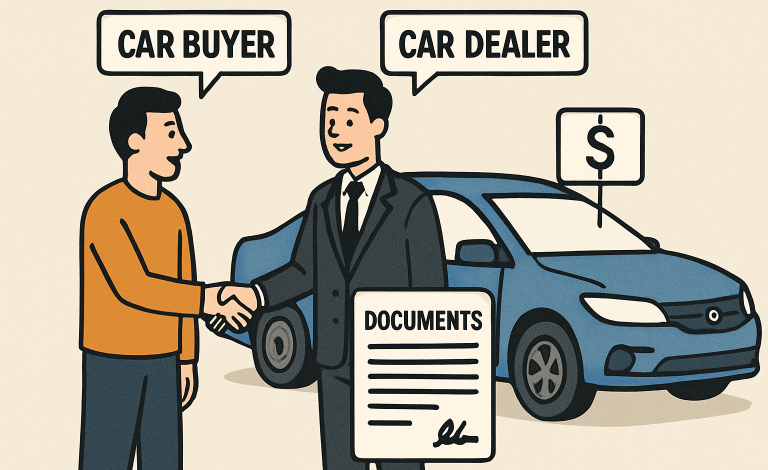
Purchasing a vehicle is a significant investment that involves both excitement and risk. With high stakes and complex transactions, consumers must be vigilant to avoid falling prey to unfair or deceptive practices at dealerships. Protecting your rights and recognizing your legal protections can help you approach the process with greater confidence. Early awareness is crucial if you encounter issues after the sale, as understanding options, such as working with an Alaska lemon law attorney, can be critical to achieving a fair resolution.
State and federal regulations exist to protect buyers from misconduct in the automotive market. The recent wave of legislative activity and the rollback of specific rules at the federal level make it more critical than ever for consumers to stay informed and learn how to protect their interests proactively during the car-buying process.
Transparency in advertising, full disclosure of terms, and trustworthy sales practices are all cornerstones of a fair car-buying experience. Yet, some dealerships still employ misleading tactics, such as hidden fees or discriminatory pricing. Understanding which rights protect you—and what common pitfalls to avoid—can keep both your finances and peace of mind secure when buying a new or used vehicle.
Recent changes in consumer protection have created varying standards between states, highlighting the ongoing need to educate and empower buyers at both the dealership and online showroom. Remaining alert and informed is the best first step toward securing the vehicle you want—on your terms and without surprises.
Understanding Consumer Rights in Car Purchases
Consumer rights in automobile purchases are designed to promote transparency, ensure fairness, and protect buyers from predatory or misleading dealership practices. Buyers have the right to clear disclosure of a vehicle’s selling price and any additional fees, to accurate advertising, and to protection from discrimination or coercion. Crucially, buyers are also entitled to pursue remedies—including returns, replacements, or repairs—if their new or used vehicle is found to be defective or misrepresented.
Knowing the protections provided by federal laws, such as the Truth in Lending Act (TILA) and the Equal Credit Opportunity Act (ECOA), can help buyers avoid being pressured into unaffordable financing or subjected to discriminatory practices. State-specific consumer protection laws, such as Alaska’s lemon law, further strengthen buyer confidence by offering legal recourse if the vehicle repeatedly fails to meet quality and performance standards.
Recent Legislative Changes Affecting Car Buyers
Legislative reform in the auto market has been both rapid and occasionally turbulent in recent years. One significant development was the Federal Trade Commission’s CARS (Combating Auto Retail Scams) Rule, introduced in December 2023, aimed at addressing problems such as bait-and-switch tactics and concealed fees that inflate the actual cost of car purchases. This landmark rule was expected to save U.S. consumers billions in unnecessary charges over time, according to reporting by The New York Times.
However, in January 2025, the CARS Rule was vacated after a federal appeals court found procedural flaws in its implementation. This ruling left consumers at risk in states without stringent local protections. In response, California passed its own robust CARS Act in October 2025, which guarantees used-car buyers a three-day return window and mandates upfront, accurate pricing in advertisements—forging a template that other states might follow in the future. This shift demonstrates the critical role of state legislation where federal law may fall short.
Standard Deceptive Practices in the Auto Industry
Despite the advances in consumer protection law, deceptive dealership practices remain a pressing concern. Some of the most common—and harmful—tactics include:
- Bait-and-Switch Advertising: This involves listing attractive prices or vehicles online to entice visitors, then claiming that the advertised car has already sold and steering buyers towards more expensive options.
- Hidden or Inflated Fees: Unnecessary fees, bundled add-ons, and vague service charges often appear at the last minute, increasing the final price well beyond the sticker figure discussed earlier in the process.
- Discriminatory Pricing: Some buyers may be offered worse rates or less favorable financing terms based on race, ethnicity, or perceived stereotype, a practice that is both unethical and illegal under federal law. The FTC cautions buyers to watch out for signs of these behaviors and to report suspicions of unfair treatment promptly. Consumer Reports: Car Buying Scams and Consumer Protection
Knowing how to identify these behaviors is key to avoiding them and ensuring a fair deal for your next car purchase.
Tips for Protecting Yourself During the Car-Buying Process
- Research Before You Buy: Use online resources to check a car’s value, review its ownership and accident history, and analyze buyer reviews for recurring problems. Websites like Kelley Blue Book help buyers determine market-appropriate prices.
- Get Everything in Writing: Insist that all details—such as price, warranties, promised upgrades, and dealer add-ons—are confirmed in a written, signed contract before payment is made or financing is arranged.
- Shop Financing Offers: Secure your own financing offers from banks or credit unions to compare with the dealership’s terms, ensuring you’re not pressured into bad loan deals.
- Have the Car Inspected: Hire an independent mechanic to assess the car for mechanical or safety issues that may not be disclosed.
- Know Your Legal Rights: Review both state and federal laws concerning auto purchases. If you suspect fraud, discrimination, or repeated mechanical failure, promptly consult with consumer protection agencies or seek legal help from a qualified attorney specializing in auto fraud or lemon law.
Resources for Consumers
Empowering yourself with knowledge is the most crucial way to stay safe during the car-buying process. These agencies and consumer organizations provide comprehensive educational materials and updates on consumer rights:
- Federal Trade Commission: CARS Rule and Auto Retail Scams
- FTC: Overcharging Based on Appearance Is Illegal
By taking advantage of these resources and prioritizing your rights and due diligence, you’ll be better prepared to navigate the complexities of today’s auto marketplace—and drive away confident in your purchase.