Personalization in Programmatic Media Buying: Enhancing Engagement and ROI

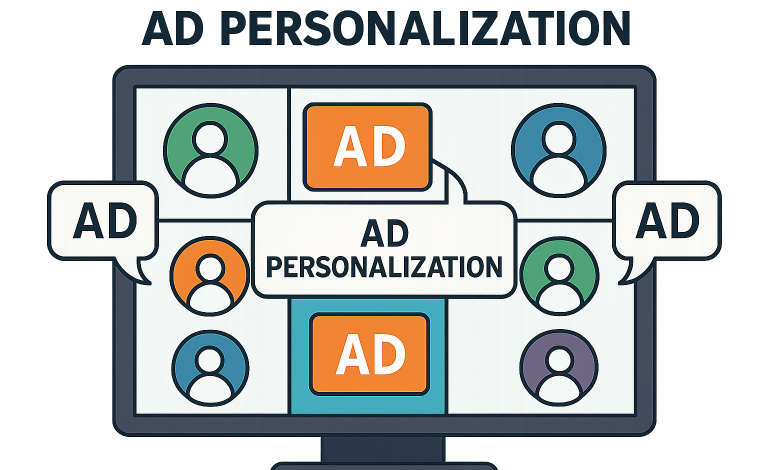
The evolution of digital marketing has dramatically changed how brands interact with consumers, as audiences are increasingly overwhelmed by a constant flow of online ads. To break through this noise, marketers are prioritizing advanced personalization strategies that optimize relevance and engagement. By leveraging addressable advertising at the household level, brands can craft highly targeted campaigns that speak directly to individual interests and needs, significantly enhancing both user experience and campaign effectiveness.
Unlike generic mass advertising, programmatic personalization delivers messages tailored to a user’s demographics, online behavior, and geographic context. This approach not only resonates more deeply with the intended audience but also drives measurable improvements in campaign ROI and engagement metrics.
Today, digital advertisers are seeking solutions that allow for advanced segmentation and dynamic creative optimization. The drive for advanced personalization is underpinned by breakthroughs in AI and a growing emphasis on ethical data practices, paving the way for individualized ad experiences that are both effective and respectful of privacy concerns.
Marketers now face a landscape where automation, precision, and privacy coexist. Balancing these forces is central to unlocking the value of personalized programmatic media buying.
The Rise of Personalization in Programmatic Advertising
Programmatic advertising introduced automation to the buying and selling of digital ads, using data-driven insights and real-time bidding processes to ensure that messages reach the right person at the right time. The shift toward personalization within programmatic platforms is enabling brands to serve up creative, relevant content based on explicit audience segments, increasing the likelihood of interaction and conversion.
As advertisers gain access to richer behavioral and contextual data, campaigns have become increasingly tailored. From leveraging purchase history to responding to browsing patterns, advertisers can now deploy messaging strategies that align closely with the evolving interests of each consumer – a trend that is rapidly becoming the industry standard.
Technological Advancements Driving Personalization
Recent advancements in artificial intelligence and machine learning have fundamentally redefined the potential for personalization in programmatic advertising. AI algorithms analyze millions of data points in real time, identifying customer patterns and predicting likely behaviors. These insights fuel programmatic platforms to automatically optimize ad placements, content sequencing, and creative executions based on individual user profiles.
Innovative technologies, such as dynamic creative optimization and predictive analytics, further refine ad targeting and delivery. Marketers can now automatically adjust messages across devices and channels, delivering cohesive and relevant touchpoints during each stage of a user’s online journey.
Benefits of Personalized Programmatic Media Buying
- Increased Engagement: Personalization ensures that ads reflect what matters most to users, improving engagement, brand recall, and click-through rates.
- Improved Conversion Rates: Tailored experiences guide consumers more effectively down the sales funnel by aligning content and offers with genuine interests and needs.
- Efficient Ad Spend: Targeting only high-intent audiences minimizes waste, enhancing cost-efficiency for marketers and maximizing campaign returns.
Brands executing personalized programmatic campaigns consistently outperform industry benchmarks in both customer satisfaction and marketing ROI.
Challenges and Considerations
Despite its advantages, personalized programmatic media buying must be executed thoughtfully and strategically. One of the primary challenges is upholding data privacy:
- Data Privacy: Compliance with regulations like GDPR and CCPA is essential. Brands must ensure consumers’ data is protected and handled transparently, balancing personalization against privacy risks.
- Complexity: Successful personalization requires robust tech stacks, skilled teams, and seamless data integrations, which can be resource-intensive.
- Ad Fatigue: Over-targeting can sometimes cause users to feel “followed” or fatigued by repetitive messaging. Strategies must be dynamic and sensitive to user preferences.
Best Practices for Implementing Personalization
- Leverage First-Party Data: Build a foundation on insights gathered directly from your customers to ensure data quality and compliance with relevant regulations.
- Implement AI and Machine Learning: Utilize advanced algorithms to segment audiences and automate the personalization of messages at scale.
- Maintain Transparency: Be open with users about how their data is used and provide clear opt-out options to foster trust and loyalty.
- Test and Optimize: Continuously analyze performance metrics and refine strategies to enhance campaign personalization and effectiveness.
Case Studies: Success Stories
Industry leaders are demonstrating the power of personalized programmatic ad campaigns:
- Under Armour: The brand launched dynamic creative campaigns across digital audio and video, resulting in a 64% increase in positive brand perception and an 81% rise in purchase consideration among those who noticed the personalization.
- Warner Music: By delivering highly personalized digital audio ads, Warner Music achieved a 1.24% click-through rate on Spotify, outperforming generic music ads by a factor of four.
These examples demonstrate that individualized, data-driven messaging fosters stronger brand-consumer relationships and yields tangible business results.
Future Trends in Personalized Programmatic Advertising
The landscape for programmatic personalization will continue to evolve as technology and consumer expectations shift. Some emerging trends include:
- AI-Powered Personalization: With rapid advances in AI, expect even greater accuracy in audience segmentation, predictive targeting, and real-time creative optimization.
- Privacy-Centric Advertising: Growing consumer concern for privacy will prompt a shift toward contextual targeting and more substantial reliance on first-party data.
- Integration of Audio and Video: As streaming and podcasts grow, advertisers will leverage new formats to serve dynamic, personalized ads in engaging audio-visual environments.
Conclusion
Personalization in programmatic media buying represents a paradigm shift in digital advertising, bridging the gap between automation and authenticity. Brands that adopt advanced tools and ethical practices can establish stronger connections with their audiences, resulting in increased engagement and long-term loyalty. As technology and regulations continue to evolve, ongoing investment in data quality, transparency, and inventive targeting will be essential for sustained success.