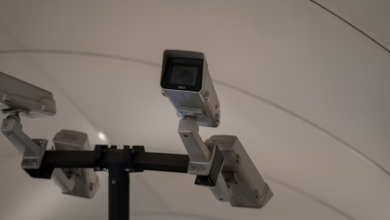
Emerging technology is making it easier for car accident lawyers to prove liability.
These days technology is revolutionizing the way fault is determined following a vehicle collision. Accident victims can no longer settle for “he said, she said” liability debates. Digital data now provides concrete facts regarding what occurred.
Here’s the best part…
This technology isn’t experimental or years away from being commercially available. Modern vehicles are using it right now. Vehicles that are collecting data on speed, braking patterns, steering input…
Let’s dive into how technology is changing auto personal injury claims.
Table of Contents
- Why Digital Evidence Is Strengthening Claims
- Black Boxes in Cars
- Dashcam Footage Supports Claims
- Self Driving Tech Creates New Evidence
- The Bottom Line
Why Digital Evidence Is Strengthening Claims
Trying to prove liability in an accident was difficult even ten years ago.
Witnesses can misremember facts. People lie. Insurance companies use loopholes to deny claims or reduce payments any chance they get.
Digital evidence doesn’t lie.
Thanks to technology catching every detail leading up to and during a crash, concrete evidence like black box data and dashboard camera footage can confirm exactly what happened every second before an accident. This type of objective evidence is proving to be a game changer for car accident lawyers looking to win compensation for their clients.
Speed data shows how fast a person was driving. Brake data can confirm whether or not a driver hit the brakes before impact. Dashboard cameras record drivers running red lights and other dangerous behavior.
This data is powerful. It can prove if a defendant is lying about the events leading up to a crash. It can show accident victims were telling the truth and weren’t partially at fault. It can help victims secure the compensation they deserve following an accident.
Black Boxes in Cars
Did you know your vehicle may be collecting data on you right now?
A handful of appliances and features in your car called Event Data Recorders (“black boxes”) record time stamped data during a crash. You’d be surprised to know that roughly 95-98% of new vehicles sold within the last couple of years are fitted with these black boxes.
Vehicle black boxes record information surrounding a crash.
Such information includes:
- speed at time of collision
- brake application
- throttle position
- steering wheel position
- seatbelt usage
- airbag deployment time
The National Highway Traffic Safety Administration has been recording crash data from vehicles’ black boxes since the early 2000s. Because of this, the NHTSA standardized black box data across manufacturers. This makes black box data easy to admit as evidence in court when properly retrieved.
There is a slight problem…
Due to the nature of the data, EDR information can be lost over time. If repairs are made to the vehicle, the data could be erased. If the battery becomes disconnected, the data could be lost. If a vehicle is driven after an accident, the EDR data could be deleted. For this reason, it’s important to preserve EDR data as quickly as possible. Attorneys will usually send out letters immediately to preserve this data.
Dashcam Footage Supports Claims
Sales of dashboard cameras have skyrocketed in recent years.
Dashcams allow attorneys to review footage of the actual accident. There’s no second guessing a witnesses statement. Anyone who reads the facts can see what occurred on video.
New dashcam technology is even better. Most newer dashcams come equipped with GPS locators that sync vehicle speed data with video footage. Plus, many dashcams use impact sensors that start recording when the sensor detects a crash.
Courts have deemed dashboard camera footage admissible in the majority of states. As long as the footage can be authenticated (more on that later), dashcam footage can be used as evidence in court.
Imagine how this can benefit accident victims…
Running a red light? There’s video footage of it. Texting while driving? Nope, you were looking at the road. Going 5 mph over the speed limit? Your dashcam proves you were driving the speed limit.
Dashcam footage doesn’t lie and can be used as evidence to prove what happened.
Self Driving Tech Creates New Evidence
Cars that can drive themselves are getting more attention these days.
In fact, FinanceBuzz reported that self-driving crashes nearly doubled from 288 total crashes in 2023 to 544 crashes in 2024. Accidents related to semi-autonomous driving devices also increased by roughly 35% year over year.
Self-driving technology logs data constantly.
Each second a self-driving car is on the road, sensors are reading information. Cameras are capturing video. Software is monitoring performance. Drivers are being monitored for their actions. All of this data can be logged and stored by the vehicles.
When a self-driving car is involved in a crash, all of this data can be analyzed to determine fault. Was the driver partially at fault? Did the vehicle software make a mistake? Was someone else responsible? Accidents with self-driving vehicles can get messy.
Data logged by vehicles can be used to determine liability. The device or person responsible for the accident will have to foot the bill.
Telematics Apps and Smartphone Evidence
Drivers are using telematics apps on their smartphones more often these days.
Telematics apps constantly monitor driving behavior. These apps can monitor things such as hard braking. Smartphone usage while driving. Rapid acceleration.
Smartphone and telematics app data can be subpoenaed during a lawsuit.
If you happened to be on your phone when you crashed, your phone may give that information away. Even your vehicle’s infotainment system could tell investigators who’s phone was paired with the vehicle and when.
Technology is proving liability like never before.
The Bottom Line
Technology is giving car accident attorneys an upper hand in court.
Clients that were previously unable to prove liability now have solid evidence. The burden of proof is shifting from drivers to the vast amount of technology collecting data on them.
Thanks to black boxes, dashboard cameras, and self-driving technology we’ll likely see more at-fault parties being held liable for their actions. Not only will this help accident victims prove liability, but it will also create opportunities for accident victims to secure fair compensation.
Takeaways:
- The majority of new vehicles have EDRs installed that log data during a crash
- Dashboard camera footage is powerful evidence
- Self-driving technology creates a lot of data that could prove liability
- Digital evidence should be preserved immediately
- Contact a lawyer as soon as possible after a crash