Understanding Dedicated Internet Access (DIA)
Dedicated Internet Access (DIA) is a business-class connectivity solution that offers a private, direct line to the internet. Unlike shared broadband services, DIA delivers constant, symmetrical bandwidth, making it particularly valuable for enterprises that require dependable upload and download speeds. Educating yourself about the advantages of DIA and its role in supporting business-critical functions is vital when comparing options and pricing.
This private connection translates to more reliable performance for activities such as large data transfers, cloud computing, VoIP, and video conferencing. Providers like Lightyear offer DIA solutions that ensure businesses maintain seamless connectivity, directly influencing employee productivity and customer satisfaction.
Unlike standard broadband, businesses with DIA are guaranteed their contracted speed at all times. This performance assurance is essential for organizations that cannot afford bandwidth slowdowns during peak periods. Most importantly, DIA helps reduce downtime and network bottlenecks, enhancing operational efficiency.
In competitive industries, a robust DIA connection also strengthens a company’s security profile by reducing exposure to common threats on shared circuits. These features can have long-term impacts on business continuity and customer trust.
The Role of Contract Length in Pricing
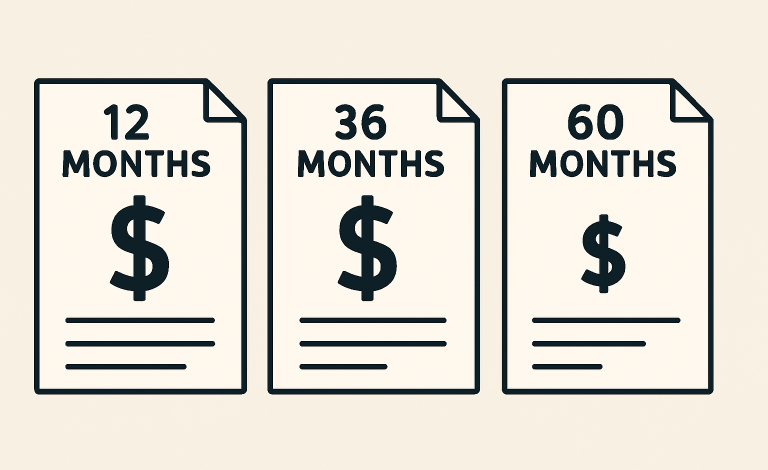
Short-Term Contracts (12 Months)
- Higher Monthly Rates: Opting for a one-year contract generally means paying a premium. Short-term contracts may be 15-25% more expensive than longer commitments.
- Flexibility: These contracts are ideal for organizations with uncertain needs, companies that frequently relocate, or businesses piloting new locations or services.
- Minimal Early Termination Fees: Adjusting or canceling service is less costly, giving companies the freedom to pivot as their circumstances evolve.
Medium-Term Contracts (36 Months)
- Balanced Pricing: The three-year term is the sweet spot for many businesses, with 10-15% lower rates than 12-month contracts.
- Common Choice: It strikes a balance between cost savings and the flexibility to adapt to market or technological changes.
- Potential Waivers: Providers frequently sweeten these deals by waiving installation fees or providing additional perks.
Long-Term Contracts (60 Months)
- Lowest Monthly Rates: Five-year contracts can provide significant savings, reducing prices by up to 25% compared to shorter-term commitments.
- Stability: Perfect for organizations with predictable network requirements and long-term operational stability.
- Reduced Flexibility: While the savings are attractive, making changes to service or canceling early can be difficult and costly.
Additional Factors Affecting DIA Costs
DIA pricing is influenced by several variables beyond contract length. Service Level Agreements (SLAs) play a substantial role. Contracts guaranteeing higher uptime, stricter latency requirements, or faster repair times often lead to higher total costs. Businesses should weigh these service assurances against their operational needs.
Equipment choices also matter. Selecting a provider-managed router or firewall can increase costs. Conversely, organizations that use their own hardware may manage costs more effectively. Some providers also incentivize longer contracts by eliminating installation fees, offering immediate upfront savings.
Additionally, total cost evaluation should include any potential early termination fees. These can substantially increase the contract’s real cost if a business’s requirements change unexpectedly.
Market Trends and Pricing Strategies
The broadband market is evolving, with providers experimenting with alternative pricing and contract models. For example, T-Mobile recently launched a fiber service with a five-year price lock, ensuring customers pay a steady rate free from mid-contract hikes. This approach highlights the importance of closely reviewing contract language for price security or escalation clauses before signing.
As fiber and high-speed connectivity become standard, competition is growing. Businesses negotiating DIA agreements should keep an eye on technological advancements and competitive offerings.
Making an Informed Decision
- Assessing Needs: Analyze your current and projected bandwidth and reliability requirements to decide on the optimal term and service level.
- Reviewing SLAs: Ensure all guarantees align with your operational risk profile and business objectives.
- Understanding Total Costs: Identify the real cost by including early termination fees, equipment rentals or purchases, and installation expenses.
- Monitoring Market Offers: Stay aware of new contract structures, promotional deals, and evolving best practices to maximize value.
A thoughtful approach to evaluating dedicated internet contracts will help your business achieve the right balance of cost, reliability, and flexibility.
Final Thoughts
Considering both the contract terms and the wider market dynamics ensures you make an informed choice that supports current needs while also accommodating future growth.
Organizations that invest time in comparing providers, reading the fine print, and staying up to date on broadband innovations are best positioned to secure robust, reliable connectivity while controlling costs.