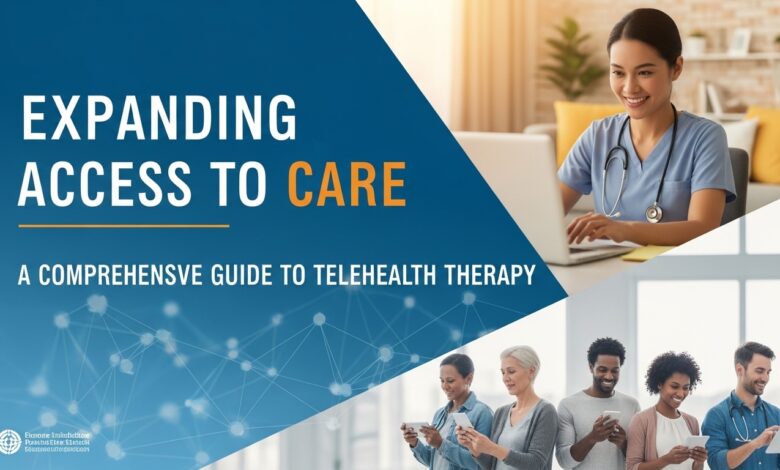
Mental health care has undergone a significant transformation in recent years, driven by advances in technology and a growing recognition of the need for accessible, flexible support. Traditional in-person therapy has long been the standard, but it is not always practical or available for everyone. Geographic barriers, time constraints, mobility challenges, and social stigma have historically prevented many individuals from receiving the care they need. Telehealth therapy has emerged as a powerful solution to these challenges, offering professional mental health services through secure digital platforms while maintaining quality, privacy, and effectiveness.
Telehealth therapy is more than a temporary alternative to in-person sessions. It represents a shift in how mental health support is delivered, making care more inclusive and adaptable to modern lifestyles. By combining clinical expertise with digital convenience, this approach allows individuals, couples, and families to access support in ways that fit their daily lives, without compromising therapeutic outcomes.
Understanding Telehealth Therapy
Telehealth therapy refers to the delivery of mental health services through digital communication tools such as video calls, phone sessions, and secure messaging platforms. These services are provided by licensed professionals, including psychologists, therapists, counselors, and social workers, who are trained to deliver evidence-based care remotely.
Sessions closely resemble traditional therapy in structure and intent. Clients engage in scheduled appointments, discuss concerns, set goals, and work through challenges with professional guidance. The primary difference lies in the setting, as sessions take place in the client’s chosen environment rather than a clinical office. This flexibility has reshaped how many people experience and engage with mental health care.
The Evolution of Remote Mental Health Care
Remote therapy is not entirely new, but technological advancements have significantly enhanced its effectiveness and accessibility. Early forms of distance counseling relied on phone calls or limited online communication. Today, high-quality video platforms, encrypted messaging systems, and digital assessment tools allow for rich, interactive therapeutic experiences.
As awareness of mental health has grown, so has acceptance of remote care. Telehealth therapy has become an essential component of modern healthcare systems, supported by research demonstrating its effectiveness across a wide range of mental health conditions. This evolution reflects a broader shift toward patient-centered care that prioritizes accessibility, comfort, and flexibility.
Accessibility and Convenience
One of the most significant advantages of telehealth therapy is its ability to eliminate common barriers to care. Individuals living in rural or underserved areas can connect with qualified professionals without traveling long distances. Those with physical disabilities, chronic illnesses, or limited transportation options can receive consistent support from their own homes.
Convenience also plays a critical role in treatment engagement. Flexible scheduling, reduced travel time, and the ability to attend sessions from familiar environments make it easier for clients to commit to ongoing care. This increased accessibility often leads to better consistency and improved outcomes.
Comfort and Privacy in Familiar Settings
For many people, attending therapy in a clinical setting can feel intimidating. Telehealth therapy allows clients to participate in sessions from environments where they feel safe and comfortable, such as their homes. This familiarity can reduce anxiety and encourage more open communication, particularly for individuals who feel hesitant about seeking help.
Privacy is another important consideration. Secure platforms are designed to protect confidentiality, and clients can choose settings that ensure discretion. For those concerned about stigma or visibility, remote therapy provides a discreet alternative that still delivers professional support.
Effectiveness and Clinical Outcomes
A common question surrounding telehealth therapy is whether it is as effective as in-person treatment. Research consistently shows that remote therapy can be equally effective for many mental health conditions, including anxiety, depression, stress-related disorders, and trauma. Evidence-based approaches such as cognitive behavioral therapy, mindfulness-based interventions, and solution-focused therapy translate well to virtual formats.
Therapeutic rapport, a key component of successful treatment, can be established and maintained through digital interaction. Skilled clinicians adapt their communication styles to ensure clients feel heard, supported, and understood, regardless of physical distance.
Types of Services Offered Through Telehealth
Telehealth therapy encompasses a wide range of services tailored to diverse needs. Individual therapy addresses personal challenges such as emotional regulation, self-esteem, anxiety, and life transitions. Couples therapy supports communication, conflict resolution, and relationship growth. Family therapy focuses on improving dynamics, understanding, and collaboration among family members.
In addition, telehealth platforms may offer specialized services such as trauma-informed care, grief counseling, and support for neurodiverse individuals. This versatility allows clients to access targeted care without the limitations of local availability.
Supporting Consistency and Long-Term Care
Consistency is a crucial factor in therapeutic success. Telehealth therapy supports long-term engagement by making it easier to maintain regular appointments. Clients are less likely to cancel sessions due to logistical challenges, leading to more consistent progress over time.
This approach is particularly beneficial for individuals managing chronic mental health conditions or navigating extended life transitions. Ongoing access to care fosters stability, resilience, and sustained personal growth.
Integration with Daily Life
Another key benefit of telehealth therapy is its seamless integration into everyday routines. Sessions can be scheduled around work, school, caregiving responsibilities, and other commitments. This flexibility reduces disruption and allows clients to prioritize mental health without sacrificing other aspects of life.
By meeting clients where they are, both literally and figuratively, telehealth therapy aligns treatment with real-world contexts. Skills learned during sessions can be applied immediately in daily environments, reinforcing progress and encouraging practical change.
Technology and Security Considerations
Effective telehealth therapy relies on secure, user-friendly technology. Reputable platforms use encrypted communication, secure data storage, and compliance with privacy regulations to protect client information. Clinicians also provide guidance on creating private, distraction-free spaces for sessions, ensuring confidentiality and focus.
While technical issues can occasionally arise, most platforms are designed to be accessible even for individuals with limited technical experience. Ongoing improvements in digital infrastructure continue to enhance reliability and ease of use.
Addressing Challenges and Limitations
Despite its many advantages, telehealth therapy may not be suitable for every situation. Individuals experiencing severe mental health crises or requiring intensive, in-person intervention may need alternative or supplementary services. Clinicians assess each client’s needs to determine whether remote care is appropriate and may provide referrals when necessary.
Additionally, some clients may initially feel less comfortable with virtual communication. With time and professional guidance, many adapt successfully, finding that the benefits outweigh initial discomfort.
The Role of the Therapist in Virtual Care
Therapists play a crucial role in ensuring the effectiveness of telehealth therapy. They adapt clinical techniques to virtual formats, remain attentive to verbal and non-verbal cues, and create structured, engaging sessions. Professional training and experience in remote care enhance therapeutic outcomes and client satisfaction.
Strong communication, clear boundaries, and collaborative goal-setting remain central to the therapeutic process, regardless of the medium. Skilled therapists ensure that the quality of care remains high and client-centered.
Expanding Mental Health Equity
Telehealth therapy has the potential to reduce disparities in mental health care by reaching populations that have historically faced barriers to access. Individuals in remote locations, those with limited financial resources, and communities with fewer local providers can benefit from expanded availability of services.
By broadening access, telehealth therapy supports a more equitable mental health system. This inclusivity contributes to earlier intervention, reduced stigma, and improved overall well-being across diverse populations.
Adapting to Changing Needs Over Time
Mental health needs evolve throughout life, and telehealth therapy offers the flexibility to adapt accordingly. Clients can continue working with the same therapist despite changes in location, schedule, or circumstances. This continuity of care strengthens the therapeutic relationship and supports long-term progress.
As technology advances, telehealth platforms continue to expand capabilities, offering new tools for assessment, monitoring, and intervention. This adaptability ensures that care remains relevant and effective.
The Future of Mental Health Care
Telehealth therapy represents a significant step forward in the delivery of mental health services. As acceptance grows and technology continues to improve, remote care is likely to become an integral part of comprehensive mental health systems rather than a supplemental option.
The future of therapy lies in choice and flexibility, allowing individuals to select the format that best suits their needs. Telehealth therapy supports this vision by offering high-quality care that adapts to modern lifestyles.
Conclusion: A Modern Approach to Emotional Well-Being
Mental health support should be accessible, flexible, and responsive to individual needs. Telehealth therapy embodies these principles by combining professional expertise with digital convenience. It removes barriers, supports consistency, and empowers individuals to prioritize their emotional well-being in ways that fit their lives.
As more people recognize the value of remote care, telehealth therapy continues to reshape the mental health landscape. By offering effective, secure, and accessible support, it provides a pathway toward improved well-being, resilience, and personal growth. For many, it is not just an alternative to traditional therapy, but a transformative approach to care that meets the demands of a changing world.