Furnace Replacement Options Explained: Gas, Electric, and High-Efficiency Systems for Every Home

Introduction
Furnaces are the heart of a home’s heating system, providing warmth, comfort, and consistent indoor temperatures during cold seasons. Over time, furnaces age, components wear out, and efficiency decreases, which may result in higher energy bills, frequent repairs, or unreliable heating. When these issues become significant, furnace replacement becomes the most practical and cost-effective solution.
Replacing a furnace is not just about installing a new unit; it requires careful assessment, proper sizing, and professional installation to ensure optimal performance and energy efficiency. Understanding the signs that indicate a furnace needs replacement, the benefits of upgrading to a new system, and the process involved can help homeowners make informed decisions and maintain year-round comfort.
Signs You Need a Furnace Replacement
Recognizing when a furnace needs to be replaced is crucial to avoid unexpected breakdowns and costly emergency repairs. Several signs indicate that a furnace may have reached the end of its lifespan or is no longer functioning efficiently.
One common sign is inconsistent heating throughout the home. If some rooms remain cold while others are warm, it may indicate that the furnace is struggling to distribute heat effectively. Frequent breakdowns or repeated repairs are another red flag, suggesting that the system is becoming unreliable and that replacement may be more cost-effective than continual repairs.
Age is also a significant factor. Most furnaces last between 15 and 20 years, depending on usage and maintenance. Older units often lack modern energy-efficient features, resulting in higher utility costs. Strange noises, unusual odors, and reduced airflow are additional signs that a furnace may be nearing the end of its functional life.
Benefits of Furnace Replacement
Replacing an old furnace offers numerous advantages beyond simply restoring heat. One of the most notable benefits is improved energy efficiency. Modern furnaces use advanced technology to consume less fuel while providing consistent warmth, which lowers energy bills and reduces environmental impact.
Enhanced indoor air quality is another advantage. Older furnaces can accumulate dust, debris, and mold over time, which circulates throughout the home and affects the health of occupants. New furnaces feature high-quality filters and better ventilation systems, ensuring cleaner air and a healthier living environment.
Reliability and peace of mind are additional benefits. A new furnace reduces the risk of unexpected breakdowns during peak cold seasons, allowing homeowners to enjoy uninterrupted comfort. Modern systems also offer advanced controls, programmable thermostats, and smart home integration for greater convenience and efficiency.
Types of Furnaces for Replacement
Homeowners have several options when selecting a replacement furnace, each offering different features, fuel sources, and efficiency levels.
Gas Furnaces
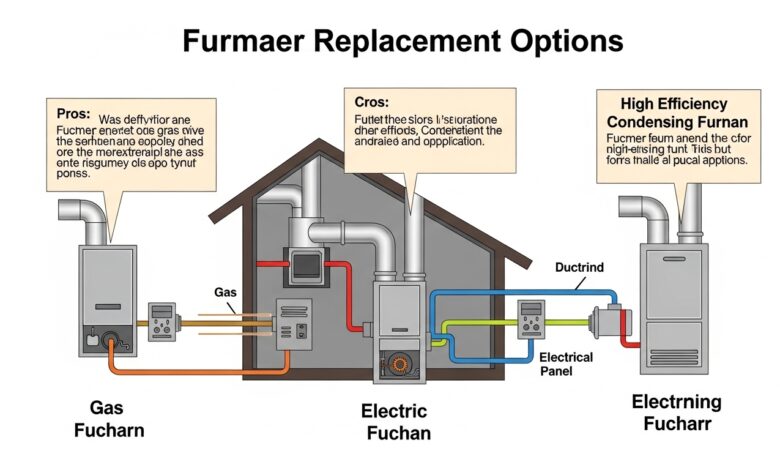
Gas furnaces are one of the most popular options due to their high efficiency and reliable heating. They use natural gas or propane to generate heat, which is distributed through ductwork to warm the home. Modern gas furnaces can achieve efficiency ratings of over 95%, reducing fuel consumption and lowering monthly energy bills.
Electric Furnaces
Electric furnaces are an excellent choice for homes without access to natural gas lines. They are safe, quiet, and require less maintenance than gas units. Although electricity may cost more than gas in some regions, electric furnaces provide consistent heating and are easy to install in existing homes.
Oil Furnaces
Oil furnaces are commonly used in areas where natural gas is unavailable. They produce significant heat and can efficiently warm larger homes. Modern oil furnaces have improved combustion technology, reducing emissions and increasing efficiency compared to older models.
High-Efficiency Furnaces
High-efficiency furnaces use advanced heat exchangers, variable-speed blowers, and smart thermostats to optimize performance. They provide consistent temperatures, lower energy consumption, and quieter operation. These systems are ideal for homeowners looking to reduce environmental impact while enhancing comfort.
The Furnace Replacement Process
Furnace replacement is a multi-step process that requires professional expertise to ensure safety, efficiency, and longevity. The first step is a thorough assessment of the home’s heating needs, including square footage, insulation quality, and ductwork layout. Proper sizing is critical, as an undersized furnace will struggle to heat the home, while an oversized unit can waste energy and reduce comfort.
Once the appropriate furnace is selected, the old unit is safely removed, including disconnecting fuel lines, electrical connections, and ductwork. The new furnace is then installed according to manufacturer specifications and local building codes. Installation professionals ensure proper airflow, venting, and system calibration for maximum efficiency.
After installation, technicians perform testing and inspection to verify that the furnace operates correctly. They also provide guidance on system maintenance, filter replacement, and thermostat programming to help homeowners get the best performance from their new furnace.
Benefits of Professional Furnace Replacement
Hiring experienced professionals for furnace replacement is essential for safety and long-term performance. Improper installation can lead to leaks, reduced efficiency, increased energy bills, and even safety hazards such as carbon monoxide exposure in gas furnaces. Certified technicians ensure that all connections are secure, venting is correct, and the system meets efficiency standards.
Professional replacement also ensures compliance with local building codes and manufacturer warranties. Many manufacturers require certified installation for warranty coverage, which protects homeowners in case of defects or malfunctions. Additionally, professional installers can recommend energy-efficient models and upgrades tailored to the home’s specific needs.
Maintenance After Furnace Replacement
Even after installing a new furnace, ongoing maintenance is crucial for sustaining performance and extending the system’s lifespan. Regular filter replacement, annual inspections, and cleaning of ductwork and vents help prevent dust accumulation and maintain energy efficiency. Proper maintenance also allows technicians to identify and address minor issues before they become major problems.
Homeowners who combine professional replacement with routine maintenance enjoy reliable heating, lower energy costs, and improved comfort year-round. Preventive care ensures that the new furnace continues to perform efficiently for many years.
Conclusion
Furnace replacement is a strategic investment in home comfort, energy efficiency, and safety. Recognizing the signs of an aging or malfunctioning furnace, choosing the right type of system, and hiring professional installers ensures optimal performance and long-term satisfaction. A properly selected and installed furnace provides consistent heat, lower energy costs, cleaner air, and peace of mind throughout the year. For homeowners seeking reliable and efficient heating solutions, furnace replacement is a smart decision that combines immediate comfort with long-term value.