How Energy-Efficient Windows Improve Insulation, Comfort, and Sustainability

Windows are a key factor in determining a home’s energy performance, indoor comfort, and environmental footprint. While traditional windows provide basic light and ventilation, they often fall short in insulation and efficiency. Energy-efficient windows, on the other hand, are designed to minimize heat transfer, maintain consistent indoor temperatures, and reduce energy consumption. Investing in these modern window solutions allows homeowners to enjoy enhanced comfort, lower utility costs, and a more sustainable home environment.
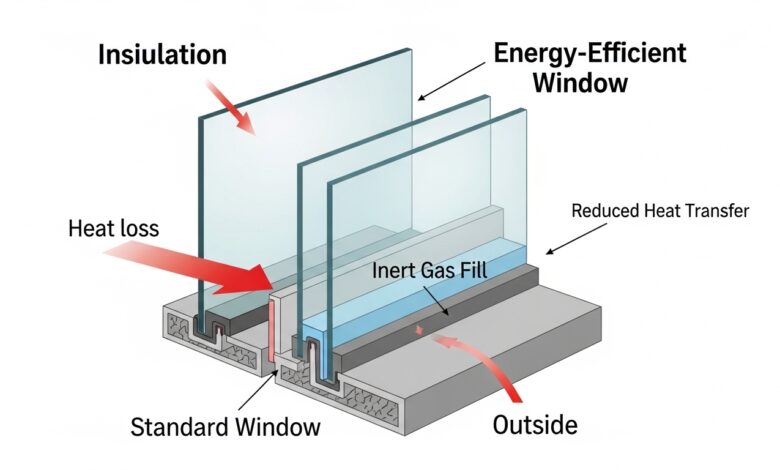
Energy-efficient windows achieve their performance through advanced design and materials, including insulated glass, Low-E coatings, multiple panes, and high-quality frames. When professionally installed, these windows form a tight seal that prevents drafts, limits heat loss in winter, and reduces unwanted heat gain in summer. This combination of design and installation ensures that energy-efficient windows deliver measurable improvements in both comfort and sustainability.
Improved Insulation for Year-Round Comfort
One of the most noticeable benefits of energy-efficient windows is improved insulation. Standard single-pane windows often allow warm air to escape in the winter and cool air to leak in during the summer, resulting in uneven temperatures and uncomfortable living spaces. Energy-efficient windows, such as double or triple-pane options with argon or krypton gas fills, provide superior thermal resistance.
The insulating properties of these windows help maintain stable indoor temperatures, eliminating cold spots and overheating near window areas. Improved insulation reduces the need for excessive heating or cooling, allowing HVAC systems to operate more efficiently. As a result, homeowners experience consistent comfort throughout the year without fluctuations caused by poorly performing windows.
Lower Energy Bills and Increased Efficiency
Energy-efficient windows directly impact a home’s energy consumption, translating to lower utility bills. By reducing heat transfer, these windows lessen the workload on heating and cooling systems, allowing them to operate less frequently and with reduced energy output. This efficiency not only saves money but also extends the lifespan of HVAC equipment by reducing wear and tear.
Modern energy-efficient windows also incorporate advanced features such as insulated frames, high-performance weatherstripping, and low-emissivity (Low-E) coatings that reflect heat while still allowing natural light to enter. These technologies optimize energy performance without sacrificing aesthetics or visibility, making them an excellent investment for both cost savings and home comfort.
Enhancing Indoor Comfort and Quality of Life
Beyond insulation and energy savings, energy-efficient windows significantly enhance overall comfort and livability. These windows minimize drafts and cold air infiltration, reducing discomfort during harsh weather. They also provide better sound insulation, making interior spaces quieter and more relaxing, particularly in homes located near busy streets or noisy environments.
In addition, energy-efficient windows help prevent condensation, which can lead to mold growth and humidity-related issues. By maintaining a stable indoor environment, these windows contribute to a healthier, more comfortable living space that supports daily activities and overall well-being.
Sustainability and Environmental Benefits
Energy-efficient windows play a key role in sustainable living by reducing a home’s energy footprint. Lower energy consumption decreases greenhouse gas emissions, helping homeowners contribute to environmental conservation. Many modern windows are manufactured using sustainable practices and recyclable materials, further enhancing their eco-friendly credentials.
By combining high-performance materials with professional installation, energy-efficient windows ensure that every home improvement decision contributes to long-term sustainability. Homeowners who prioritize these features not only save money and improve comfort but also actively support a more environmentally responsible lifestyle.
Selecting the Right Energy-Efficient Windows
Choosing the right windows involves considering several factors:
- Glass type: Double or triple-pane glass with Low-E coatings improves insulation and reflects heat.
- Frame material: Vinyl, fiberglass, and composite frames offer superior thermal performance compared to aluminum or older wood frames.
- Gas fills: Argon or krypton gas between panes enhances thermal resistance.
- Sealing and installation: Proper seals and professional installation are essential for achieving maximum efficiency.
Professional guidance ensures that homeowners select windows best suited to their climate, home design, and energy-efficiency goals, maximizing both comfort and long-term value.
Conclusion
Energy-efficient windows are a smart investment that enhances insulation, improves indoor comfort, and supports sustainable living. By reducing heat transfer, stabilizing indoor temperatures, and lowering energy consumption, these windows provide both immediate and long-term benefits. Selecting the right materials, glass options, and professional installation ensures that every window contributes to a more efficient, comfortable, and environmentally friendly home. Upgrading to energy-efficient windows is not just a home improvement—it’s a step toward a more sustainable and enjoyable living space.