How Window Replacement Can Improve Noise Reduction, Security, and Indoor Air Quality

Window replacement is one of the most effective home improvement projects for enhancing comfort, energy efficiency, and overall property value. Windows play a vital role in regulating indoor temperature, allowing natural light, providing ventilation, and protecting the home from external elements such as wind, rain, and noise. Over time, windows can become inefficient due to aging materials, worn seals, outdated designs, or physical damage, leading to higher energy bills, reduced comfort, and diminished curb appeal. Replacing old or inefficient windows with modern, high-performance options offers homeowners a practical solution that delivers both immediate and long-term benefits.
Advancements in window technology have significantly improved durability, insulation, and design flexibility, making window replacement a worthwhile investment for homeowners seeking to modernize their living spaces. Whether the goal is to reduce energy costs, improve indoor comfort, enhance aesthetics, or increase resale value, window replacement provides a comprehensive upgrade that positively impacts nearly every aspect of a home’s performance.
Understanding the Importance of Window Replacement
Windows are a critical component of the building envelope, acting as a barrier between the interior of the home and the external environment. When windows are outdated, damaged, or poorly sealed, they can allow air leaks, moisture intrusion, and temperature fluctuations that negatively affect indoor comfort and energy efficiency. Drafty windows can make rooms uncomfortable during extreme weather conditions, forcing heating and cooling systems to work harder and increasing utility costs over time.
Window replacement becomes necessary when repairs are no longer sufficient to restore performance. Common signs that windows may need replacement include condensation between glass panes, difficulty opening or closing windows, visible cracks or warping, increased outside noise, and rising energy bills. By replacing inefficient windows, homeowners can restore proper insulation, reduce air leakage, and improve the overall comfort and functionality of their living spaces while also enhancing the home’s visual appeal.
Common Reasons Homeowners Choose Window Replacement
There are many reasons homeowners decide to invest in window replacement, and these motivations often extend beyond aesthetics. Energy efficiency is one of the most common factors, as older windows typically lack modern insulation technologies such as double or triple glazing, low-emissivity coatings, and insulated frames. Replacing outdated windows with energy-efficient models helps regulate indoor temperatures, reduces heat loss during winter, and minimizes heat gain during summer, leading to lower energy consumption and improved comfort.
Another major reason for window replacement is deterioration due to age or environmental exposure. Over time, window frames and seals can degrade, allowing moisture infiltration that may lead to mold growth, wood rot, or damage to surrounding walls. Noise reduction is also a significant consideration, particularly for homes located near busy streets or urban areas. Modern replacement windows offer enhanced soundproofing, creating a quieter and more peaceful indoor environment. Additionally, homeowners often choose window replacement to update the appearance of their home, improve natural light, or prepare the property for resale by enhancing curb appeal and perceived value.
Types of Window Replacement Options
Window replacement projects typically fall into two main categories: full-frame replacement and insert or pocket replacement. Full-frame replacement involves removing the entire existing window, including the frame and trim, and installing a completely new window system. This option is ideal when the existing frame is damaged, outdated, or incompatible with modern window designs. Full-frame replacement allows for greater flexibility in window size, style, and insulation improvements but may involve higher costs and more extensive installation work.
Insert or pocket replacement involves installing a new window unit within the existing frame, provided the frame is structurally sound. This method is generally less invasive and more cost-effective, making it a popular choice for homeowners seeking improved performance without extensive structural changes. Both options offer distinct advantages, and the choice depends on factors such as the condition of existing windows, budget, and desired outcomes.
Popular Window Materials for Replacement
Choosing the right window material is a crucial aspect of window replacement, as it affects durability, maintenance, insulation, and appearance. Vinyl windows are among the most popular options due to their affordability, low maintenance, and excellent energy efficiency. They resist moisture, do not require painting, and are available in a wide range of styles and colors.
Wood windows offer a classic and elegant appearance, providing excellent insulation and aesthetic appeal. However, they require regular maintenance such as painting or staining to protect against moisture and decay. Fiberglass windows are known for their strength, durability, and resistance to temperature changes, making them a premium option with long-term performance benefits. Aluminum windows are lightweight and modern in appearance but may require thermal breaks to improve insulation performance. Each material offers unique advantages, and selecting the right option depends on climate, budget, and personal preferences.
Energy Efficiency and Modern Window Technology
One of the most significant benefits of window replacement is improved energy efficiency, driven by advancements in window technology. Modern replacement windows often feature double or triple-pane glass filled with insulating gases such as argon or krypton, which reduce heat transfer and improve thermal performance. Low-emissivity coatings reflect heat while allowing natural light to pass through, helping maintain comfortable indoor temperatures year-round.
Improved frame materials and sealing systems further enhance energy efficiency by reducing air leakage and preventing drafts. These technologies work together to create a more stable indoor environment, reducing reliance on heating and cooling systems and lowering energy bills. Over time, the energy savings achieved through window replacement can offset a significant portion of the initial investment, making it both an environmentally and financially sound decision.
The Window Replacement Process Explained
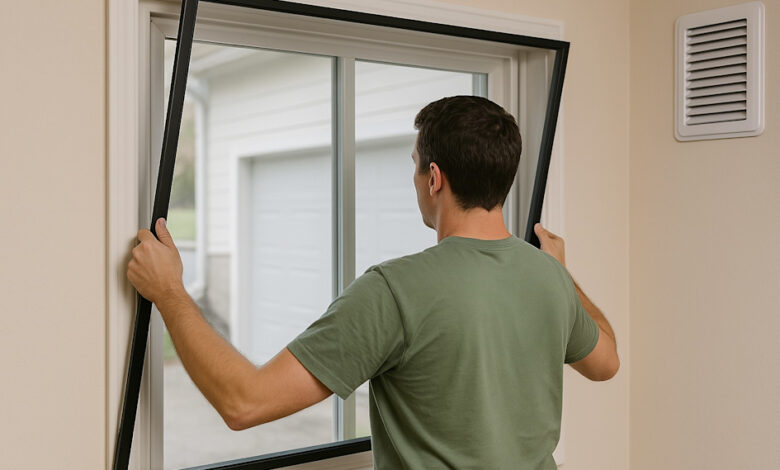
The window replacement process involves several important steps to ensure optimal performance and longevity. It begins with an assessment of the existing windows and surrounding structures to identify issues such as frame damage, moisture intrusion, or insulation gaps. Accurate measurements are taken to ensure a precise fit, which is critical for preventing air and water leaks.
Once the old windows are removed, the opening is prepared by repairing any damaged areas and installing weather-resistant barriers as needed. The new window is then installed, carefully aligned, and securely fastened according to manufacturer specifications. Insulation and sealing materials are applied to eliminate gaps and enhance energy efficiency. Finally, interior and exterior trim is installed, and the window is tested to ensure smooth operation and proper sealing. Professional installation is essential, as even high-quality windows can underperform if installed incorrectly.
Maintenance and Longevity of Replacement Windows
Modern replacement windows are designed for durability and low maintenance, but proper care is still important to maximize lifespan and performance. Vinyl and fiberglass windows typically require minimal upkeep, needing only occasional cleaning to maintain appearance. Wood windows, while visually appealing, require regular maintenance to protect against moisture and deterioration.
Routine inspections help identify potential issues such as damaged seals, hardware problems, or minor air leaks before they escalate into larger concerns. With proper installation and maintenance, high-quality replacement windows can last several decades, providing long-term comfort, efficiency, and value for homeowners.
How Window Replacement Enhances Home Value
Window replacement is widely recognized as a valuable home improvement investment that enhances both functionality and market appeal. New windows improve curb appeal by giving the home a refreshed, modern appearance, which can significantly influence buyer perception. Energy-efficient windows are especially attractive to potential buyers, as they offer lower utility costs and improved comfort.
In addition to visual appeal, buyers appreciate the reduced maintenance and enhanced performance associated with modern replacement windows. These benefits can lead to higher resale value and faster sales, making window replacement a strategic upgrade for homeowners planning to sell in the future.
Choosing the Right Contractor for Window Replacement
Selecting a qualified contractor is essential for a successful window replacement project. Homeowners should look for professionals with experience, proper licensing, and insurance coverage to ensure accountability and quality workmanship. Reviewing past projects, checking references, and reading customer reviews provide valuable insight into a contractor’s reliability and expertise.
Transparent pricing, clear communication, and detailed project timelines are also important considerations. A reputable contractor will provide a comprehensive estimate outlining materials, labor, warranties, and expected completion dates, helping homeowners understand the scope of the project and avoid unexpected costs. Working with a trusted professional ensures the replacement windows perform as intended and deliver lasting benefits.
Long-Term Benefits of Window Replacement
Window replacement offers a combination of immediate and long-term advantages that make it a smart investment for homeowners. Improved energy efficiency, enhanced comfort, reduced noise, and increased property value all contribute to a higher quality of living. Modern windows also improve safety and security through stronger materials and advanced locking mechanisms.
Additionally, many replacement window options are designed with sustainability in mind, incorporating energy-efficient manufacturing processes and recyclable materials. By upgrading to modern windows, homeowners can reduce their environmental impact while enjoying long-lasting performance and peace of mind.
Conclusion: Why Window Replacement Is a Smart Home Upgrade
Window replacement is a comprehensive home improvement solution that delivers significant benefits in comfort, efficiency, appearance, and value. By addressing outdated or inefficient windows, homeowners can enhance insulation, reduce energy costs, and create a more comfortable living environment. With a wide range of materials, styles, and technologies available, window replacement offers customization options to meet diverse needs and preferences.
When completed by experienced professionals, window replacement provides long-term protection, improved performance, and lasting satisfaction. Whether motivated by energy savings, aesthetic updates, or resale considerations, window replacement represents a smart, future-focused investment that enhances both the functionality and value of a home for years to come.