A home’s entryway is more than just a functional component; it’s the first impression your home makes. It welcomes guests, keeps your family safe, and contributes to your home’s overall curb appeal and energy efficiency. But doors, like any other part of a house, experience wear and tear over time. Homeowners often wonder whether a quick fix is enough or if it’s time to invest in a complete replacement.
Recognizing the signs that your door needs more than just a minor repair can be tricky. While a fresh coat of paint or a new lock can sometimes do the trick, there are clear indicators that a replacement is the smarter, safer, and more cost-effective option in the long run. Understanding these signs helps you make an informed decision, ensuring your home remains secure, beautiful, and efficient. This post will explore the key signals that suggest it’s time to consider a new door for your home.
Visible Damage and Wear
One of the most obvious signs that your door needs attention is visible physical damage. Years of exposure to the elements—sun, rain, snow, and wind—can take a heavy toll.
Cracking and Warping
Wooden doors are particularly susceptible to cracking, splitting, and warping. Fluctuations in temperature and moisture cause the wood to expand and contract, which can lead to structural damage over time. While small cracks might be filled and painted over, significant warping can compromise the door’s ability to fit squarely in its frame. This not only looks unsightly but also creates gaps that let in drafts, insects, and moisture.
Rust and Dents
Steel and metal doors, while durable, are not immune to problems. Dents from impacts can break the door’s finish, exposing the metal underneath to moisture and leading to rust. Once rust begins to form, it can spread and weaken the door’s structure, compromising its security. A small spot of rust might be treatable, but extensive corrosion is a clear sign that the door’s integrity is failing.
Difficulty Opening and Closing
A door should operate smoothly. If you find yourself having to push, pull, or lift your door to get it to open or close properly, it’s a sign of a deeper issue. This problem often stems from the door warping or the foundation of your home settling, causing the frame to go out of alignment.
This isn’t just an annoyance; a door that doesn’t function correctly is a safety hazard. In an emergency, every second counts, and a stuck door can be a serious obstacle. It also indicates that the door is not sealing correctly, which leads to other problems like energy loss and reduced security, as the lock may not align properly with the strike plate.
Rising Energy Bills
If you’ve noticed a steady increase in your heating and cooling costs, your doors could be a contributing factor. Old or damaged doors are often a primary source of energy loss in a home.
Drafts and Air Leaks
Feel for drafts around the edges of your door. You can do this by holding a lit candle or incense stick near the frame and watching for the flame or smoke to flicker. Gaps between the door and the frame, often caused by warping or worn-out weatherstripping, allow conditioned air to escape and outside air to enter. This forces your HVAC system to work harder to maintain a comfortable temperature, driving up your energy consumption.
Inefficient Materials
Modern doors are built with advanced materials and insulation technologies that were not available decades ago. Older doors, especially those with single-pane glass or uninsulated cores, offer very little thermal resistance. Upgrading to a new, energy-efficient door made with insulated fiberglass or steel can significantly reduce heat transfer and lower your utility bills.
Compromised Security
Your front door is a critical line of defense for your home. If its security features are outdated or damaged, your family and belongings could be at risk. A door with a weak frame, compromised locks, or structural damage is an inviting target for potential intruders.
Modern replacement doors from trusted providers are designed with security as a top priority. They often feature reinforced frames, multi-point locking systems, and durable materials that are much more difficult to force open. If your current door feels flimsy or has been damaged in a way that weakens its structure, investing in a replacement is a wise move to enhance your home’s safety and your peace of mind.
Outdated Appearance
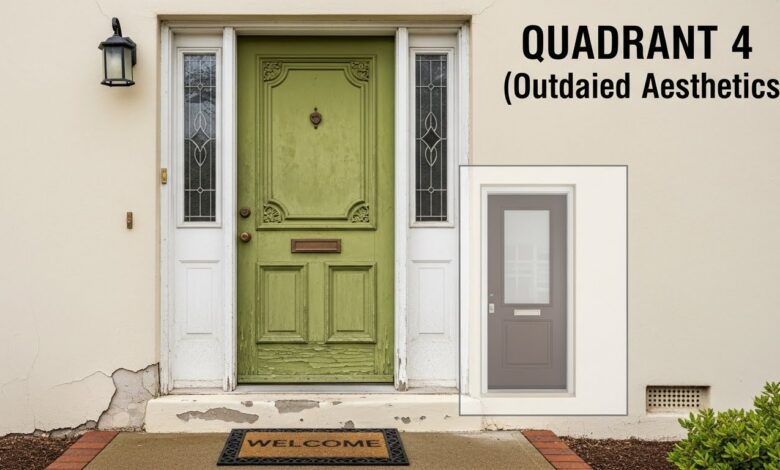
While function is paramount, aesthetics also matter. A door’s style can significantly impact your home’s overall look. If your door is outdated, faded, or simply doesn’t match your home’s architectural style, a replacement can provide an instant facelift.
A new door offers a fantastic return on investment when it comes to boosting curb appeal. With a wide variety of styles, materials, and finishes available, you can choose a door that perfectly complements your home. Whether you prefer the classic look of wood, the modern appeal of steel, or the versatile and low-maintenance benefits of fiberglass, a new door can transform your entryway from drab to dramatic.
Your Next Step with Zen Windows Kansas City
Door replacement is a smart investment that enhances your home’s security, energy efficiency, and overall appearance. If you’re noticing drafts, difficulty operating your door, or wear and tear, addressing the issue now ensures long-lasting performance, improved comfort, and a stylish upgrade that adds value to your home.
At Zen Windows Kansas City, we believe in making the process as smooth and stress-free as possible. We offer a hassle-free quoting process and a wide selection of high-quality doors to fit any home and budget. Our experienced, independent contractors ensure a professional installation, providing you with a beautiful and reliable entryway for years to come.