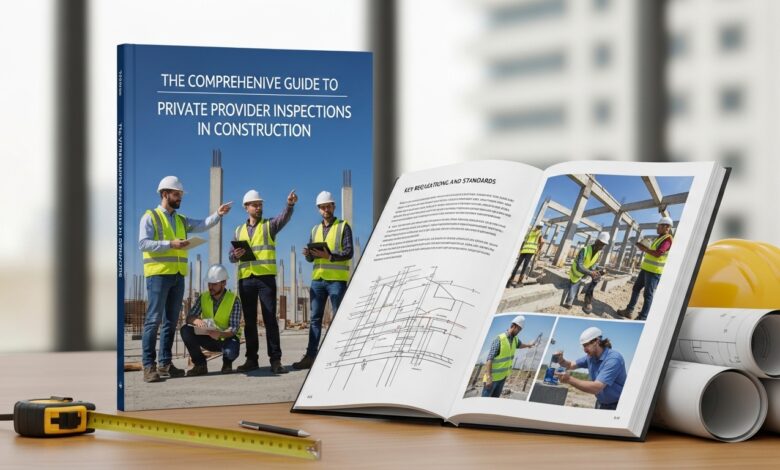
In the construction industry, ensuring the safety, quality, and compliance of building projects is of paramount importance. One of the critical mechanisms for achieving this is through thorough inspections during various stages of construction. Traditionally, inspections have been conducted by public or municipal authorities, but the emergence of Private Provider Inspections has transformed how construction oversight is performed. These inspections provide an alternative to traditional public inspections while maintaining rigorous standards for safety, code compliance, and structural integrity. Understanding the role, advantages, challenges, and best practices of private inspections is essential for developers, contractors, and property owners seeking efficient and reliable oversight of their construction projects.
Understanding Private Provider Inspections
Private Provider Inspections refer to the practice of hiring certified and accredited private entities or professionals to conduct inspections and verify compliance with building codes, regulations, and safety standards. Unlike public inspections performed by municipal or government officials, private inspections are contracted directly by the developer or property owner. Despite this distinction, private inspections must adhere to the same rigorous standards and codes as public inspections, ensuring that construction quality and safety are not compromised.
Private Provider Inspections cover a wide array of construction aspects, including structural integrity, electrical systems, plumbing, mechanical installations, fire safety, and energy efficiency. They are particularly beneficial in projects that require flexibility in scheduling or when public inspection departments face resource constraints or backlog delays. By engaging private inspectors, construction teams can maintain project momentum while ensuring compliance with all regulatory requirements.
The credibility and effectiveness of private inspections rely heavily on the qualifications, certifications, and experience of the inspectors or the private inspection firms. Many jurisdictions mandate that private inspectors hold professional licenses and certifications that meet state or national standards. This ensures that inspections are thorough, objective, and consistent with the legal requirements applicable to the project.
Types of Inspections Conducted by Private Providers
Private Provider Inspections can encompass several types of evaluations, each focused on ensuring that specific aspects of construction meet established standards. One of the most common types of inspections is structural inspection. Structural inspections verify that the building framework, foundation, and load-bearing elements conform to engineering and safety standards. Inspectors evaluate the quality of materials, construction techniques, and adherence to approved plans to prevent structural failures.
Another significant category is electrical and mechanical inspections. These inspections verify that electrical wiring, circuits, outlets, and mechanical systems such as HVAC units are installed correctly and safely. Improper installation in these systems can lead to safety hazards, system malfunctions, or even legal liabilities. Private inspectors examine these systems thoroughly, often using specialized tools and instruments to detect potential issues that may not be visible to the naked eye.
Plumbing and fire safety inspections are also integral to Private Provider Inspections. Plumbing inspections ensure that water supply, drainage, and sewage systems are properly installed and compliant with health and safety regulations. Fire safety inspections, on the other hand, confirm that fire alarms, sprinkler systems, emergency exits, and other critical safety mechanisms are installed according to code. These inspections are crucial for minimizing risks to occupants and protecting property.
Energy efficiency and environmental compliance are additional areas where private inspections may be applied. Inspectors evaluate insulation, ventilation, and energy systems to ensure that the building meets energy codes and sustainability standards. This not only contributes to reduced operational costs but also promotes environmentally responsible construction practices.
Advantages of Private Provider Inspections
There are several compelling advantages to using Private Provider Inspections in construction projects. One of the primary benefits is efficiency. Public inspection departments often face high workloads and limited resources, leading to delays in scheduling inspections and issuing approvals. Private inspections allow construction teams to schedule inspections at their convenience, minimizing project downtime and keeping timelines on track.
Another advantage is flexibility. Private inspections can be tailored to the specific needs of a project, focusing on critical areas that require closer scrutiny or specialized expertise. This targeted approach allows for early detection of potential issues, reducing the likelihood of costly rework or modifications later in the construction process.
Private inspections also offer enhanced expertise. Many private inspection firms specialize in particular types of inspections or construction sectors, bringing a higher level of technical knowledge and experience than general municipal inspectors. This can be particularly valuable in complex projects, such as high-rise buildings, industrial facilities, or projects with advanced mechanical and electrical systems.
Accountability and documentation are additional strengths of private inspections. Detailed reports provided by private inspectors serve as a permanent record of compliance and construction quality. These records can be invaluable for legal, insurance, and quality assurance purposes, providing clear evidence that all required standards were met.
Challenges and Considerations
Despite their advantages, Private Provider Inspections are not without challenges. One of the primary concerns is the potential for conflicts of interest. Since private inspectors are contracted by the project owner or developer, there may be perceived or real pressure to provide favorable assessments. To mitigate this risk, it is essential to hire inspectors from accredited, reputable firms and ensure that they adhere to strict ethical standards and professional guidelines.
Regulatory compliance is another consideration. Private inspections must meet the same standards as public inspections, and in some jurisdictions, approvals from private inspectors may still require verification by municipal authorities. Developers must understand local regulations to ensure that private inspections are fully recognized and accepted.
Costs can also be a factor. While private inspections often save time, they may involve additional fees compared to public inspections, particularly if multiple specialized inspections are required. Careful planning and budgeting are necessary to balance the benefits of speed and expertise with the financial implications.
Another challenge lies in coordination. For large projects, multiple inspections may be required, sometimes simultaneously, across various systems and stages of construction. Effective communication and scheduling are critical to avoid overlapping inspections or delays in reporting findings.
Best Practices for Implementing Private Provider Inspections
To maximize the benefits of Private Provider Inspections, several best practices should be followed. First, it is essential to select inspectors or inspection firms with proper certifications, licensing, and a proven track record of reliability. Verifying credentials and references can prevent issues related to incompetence or non-compliance.
Second, establishing clear communication protocols is vital. Inspection schedules, reporting formats, and follow-up procedures should be agreed upon in advance to ensure that all stakeholders receive timely and accurate information.
Third, integrating private inspections into the overall project management process enhances their effectiveness. Construction managers should treat inspection findings as actionable items, ensuring that any issues identified are promptly addressed and documented. This approach not only maintains compliance but also contributes to overall project quality and safety.
Fourth, maintaining thorough documentation is critical. Reports from private inspections should be detailed, objective, and well-organized, providing a permanent record of compliance. These documents can serve as evidence in case of disputes, insurance claims, or future renovations.
Finally, it is important to remain informed about local regulations and any updates to building codes or standards. Even with private inspections, compliance with current laws is mandatory, and staying up-to-date ensures that the inspections maintain their legal validity.
Conclusion
Private Provider Inspections have become an essential component of modern construction oversight, offering efficiency, flexibility, and specialized expertise that complement traditional public inspections. By engaging accredited private inspectors, developers, contractors, and property owners can ensure that their projects meet safety, quality, and regulatory standards while minimizing delays and disruptions. While challenges such as conflicts of interest, costs, and regulatory compliance must be carefully managed, adopting best practices including selecting qualified inspectors, maintaining clear communication, and documenting findings ensures that private inspections deliver maximum value. Ultimately, Private Provider Inspections provide a reliable, effective, and professional approach to maintaining high standards in construction projects, safeguarding both the integrity of the building and the well-being of its occupants.