Kitchens as the Heart of the Modern Home: Design, Function, and Long-Term Value

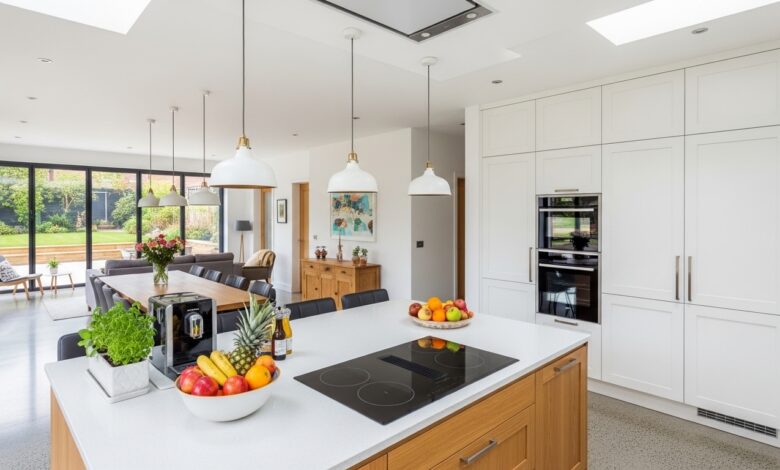
Kitchens have evolved far beyond their traditional role as simple food preparation spaces. In modern homes, kitchens serve as social hubs, creative zones, and functional centers where daily life unfolds. From early morning routines to family gatherings and entertaining guests, the kitchen plays a central role in shaping how people interact within their homes. Because of this importance, thoughtful kitchen design and planning are essential to achieving a space that balances aesthetics, efficiency, durability, and comfort.
A well-designed kitchen supports daily activities seamlessly while reflecting the homeowner’s lifestyle and personal taste. Whether part of a new construction project or a renovation of an existing space, kitchens require careful consideration of layout, materials, appliances, lighting, and long-term maintenance. This article explores kitchens in depth, covering their functional importance, design principles, material selection, storage solutions, technology integration, and the value they bring to a home over time.
The Role of Kitchens in Daily Living
Kitchens are among the most frequently used spaces in any home, which makes their design and functionality especially important. Unlike other rooms that may serve a single purpose, kitchens must accommodate multiple activities simultaneously. Cooking, cleaning, dining, socializing, and even working often take place in the same space. Because of this multifunctional role, kitchens must be both practical and inviting.
The way a kitchen is designed directly affects how efficiently tasks can be completed. Poor layouts can lead to congestion, wasted movement, and frustration, while well-planned kitchens support smooth workflows and comfortable interaction. Beyond functionality, kitchens also influence emotional well-being. A bright, organized, and welcoming kitchen encourages healthy habits, family interaction, and creativity, while a cluttered or poorly designed kitchen can feel stressful and restrictive.
Modern kitchens are no longer isolated from the rest of the home. Open-concept layouts have made kitchens visually and physically connected to living and dining areas, increasing their importance in overall home design. As a result, kitchens must perform well both as workspaces and as visually appealing environments.
Kitchen Layouts and Functional Planning
Layout is the foundation of every successful kitchen. It determines how efficiently the space can be used and how comfortable it feels during everyday activities. A functional kitchen layout minimizes unnecessary movement, provides adequate work surfaces, and ensures that key areas are easily accessible.
One of the most well-known planning concepts is the work triangle, which focuses on the relationship between the sink, stove, and refrigerator. While modern kitchens often go beyond this traditional model, the principle of efficient movement remains relevant. Proper spacing between these core elements reduces fatigue and improves workflow, especially in kitchens used frequently for cooking.
Common kitchen layouts include galley kitchens, L-shaped kitchens, U-shaped kitchens, and island-centered designs. Galley kitchens are efficient for smaller spaces, while L-shaped and U-shaped layouts offer flexibility and ample counter space. Kitchen islands have become especially popular, serving as multifunctional elements that provide additional workspace, storage, seating, and visual separation in open-plan homes.
Functional planning also involves considering traffic flow, seating needs, and storage accessibility. Kitchens should allow multiple people to move comfortably without interfering with cooking or cleaning tasks. When layout planning is done thoughtfully, the kitchen feels intuitive and easy to use rather than crowded or inefficient.
The Importance of Storage in Kitchens
Storage is one of the most critical components of kitchen design. A lack of proper storage leads to cluttered countertops, disorganization, and frustration during daily use. Well-designed kitchens incorporate storage solutions that maximize space while keeping items easily accessible.
Cabinetry plays a central role in kitchen storage. Upper and lower cabinets, tall pantry units, and specialty storage solutions allow homeowners to organize cookware, food items, and small appliances efficiently. Modern kitchen design emphasizes smart storage features such as pull-out shelves, deep drawers, corner solutions, and built-in organizers that make better use of available space.
Pantries have also become increasingly important in kitchens. Whether designed as walk-in spaces or integrated cabinets, pantries provide dedicated storage for dry goods, reducing clutter and improving organization. Proper storage planning not only enhances functionality but also contributes to a cleaner and more visually appealing kitchen.
When storage is thoughtfully integrated, kitchens feel more spacious and manageable, even in smaller homes. The goal is to ensure that every item has a designated place, making daily routines smoother and more enjoyable.
Materials and Finishes for Long-Term Performance
Because kitchens experience heavy daily use, material selection is especially important. Surfaces must withstand heat, moisture, spills, and frequent cleaning while maintaining their appearance over time. Choosin itg the right materials ensures durability, ease of maintenance, and long-term satisfaction.
Countertops are one of the most prominent elements in kitchens and must balance beauty with performance. Popular options include natural stone, engineered surfaces, solid materials, and wood. Each material offers different advantages in terms of durability, maintenance, and aesthetic appeal. Selecting a countertop material that aligns with cooking habits and maintenance preferences is essential.
Cabinet materials and finishes also play a significant role in both durability and style. High-quality cabinetry resists warping, moisture damage, and wear, ensuring that kitchens remain functional for years. Finishes should be easy to clean and resistant to stains, especially in busy households.
Flooring in kitchens must provide slip resistance, durability, and comfort. Tile, engineered wood, and other resilient materials are commonly used to withstand heavy foot traffic and spills. Coordinating finishes across surfaces helps create visual harmony while supporting practical performance.
Appliances and Technology in Modern Kitchens
Advancements in technology have transformed kitchens into highly efficient and intelligent spaces. Modern appliances offer improved performance, energy efficiency, and convenience, supporting both everyday cooking and specialized culinary tasks.
Refrigerators, ovens, cooktops, and dishwashers are now available with advanced features such as precise temperature control, smart connectivity, and energy-saving modes. Built-in appliances contribute to a streamlined appearance, while smart technology allows homeowners to monitor and control appliances remotely.
Ventilation is another critical aspect of kitchen technology. Effective ventilation systems remove heat, odors, and airborne particles, improving indoor air quality and comfort. Proper ventilation protects cabinetry and finishes from grease buildup and moisture damage.
Lighting technology also plays a vital role in modern kitchens. Layered lighting strategies combine ambient, task, and accent lighting to create functional and inviting environments. Adequate lighting improves safety, enhances visibility during food preparation, and highlights design features.
Lighting Design and Visual Comfort
Lighting significantly influences how kitchens look and function. Poor lighting can make even a well-designed kitchen feel dull or impractical, while effective lighting enhances usability and atmosphere.
Task lighting is essential in work areas such as countertops, sinks, and cooking zones. Under-cabinet lighting provides focused illumination where precision is required. Ambient lighting ensures overall brightness, while accent lighting adds depth and highlights architectural or decorative elements.
Natural light is especially valuable in kitchens, creating a sense of openness and warmth. Windows, skylights, and glass doors enhance visual comfort and reduce the need for artificial lighting during the day. When natural and artificial lighting are balanced effectively, kitchens feel welcoming and energizing.
Lighting choices should consider color temperature, brightness, and placement to support both functionality and mood. Thoughtful lighting design transforms kitchens into spaces that are comfortable to use at any time of day.
Kitchens and Lifestyle Customization
Every household uses the kitchen differently, which makes customization essential. Kitchens should reflect individual lifestyles, cooking habits, and social preferences rather than following trends alone.
For avid cooks, ample counter space, professional-grade appliances, and efficient storage for cookware may be priorities. Families with children may focus on durability, safety, and seating options that support shared meals and homework time. Those who enjoy entertaining often design kitchens with open layouts, large islands, and seamless connections to dining or outdoor spaces.
Customization also includes ergonomic considerations such as counter heights, appliance placement, and accessibility features. Well-designed kitchens reduce physical strain and adapt to users of different ages and abilities. By tailoring design choices to real-life needs, kitchens become more comfortable and functional over time.
Sustainability and Energy Efficiency in Kitchens
Sustainability has become an important consideration in kitchen design. Energy-efficient appliances, water-saving fixtures, and responsibly sourced materials contribute to reduced environmental impact and lower utility costs.
Efficient lighting, improved insulation, and smart appliances help conserve energy without sacrificing performance. Sustainable material choices, such as recycled surfaces or responsibly harvested wood, support environmental responsibility while maintaining quality and style.
Waste reduction is another key aspect of sustainable kitchens. Thoughtful storage solutions for recycling and composting encourage environmentally conscious habits. Designing kitchens with sustainability in mind benefits both homeowners and the broader environment.
Maintenance and Long-Term Care
Kitchens require regular maintenance to preserve their appearance and performance. Easy-to-clean surfaces, durable finishes, and well-designed layouts simplify upkeep and reduce long-term effort.
Routine cleaning, proper ventilation, and prompt attention to minor issues help prevent damage and extend the life of materials and appliances. Maintenance considerations should be addressed during the design phase, ensuring that kitchens remain enjoyable rather than demanding.
A kitchen that is easy to maintain supports consistent cleanliness and long-term satisfaction, making it a pleasure to use every day.
The Value of Well-Designed Kitchens
Kitchens are one of the most influential spaces when it comes to property value. A well-designed, functional, and visually appealing kitchen enhances the overall appeal of a home and often provides a strong return on investment.
Buyers frequently view kitchens as a deciding factor when evaluating properties. Modern layouts, quality materials, and efficient appliances increase desirability and market value. Even for homeowners who are not planning to sell, a thoughtfully designed kitchen improves daily living and long-term comfort.
The value of kitchens extends beyond financial considerations. They serve as gathering spaces where memories are created, meals are shared, and daily routines take place. Investing in quality kitchen design is an investment in lifestyle and well-being.
Conclusion
Kitchens are the true heart of the home, combining function, design, and emotional significance in a single space. Their role in daily life demands careful planning, durable materials, efficient layouts, and thoughtful customization. When designed with intention, kitchens support comfort, creativity, and connection while providing long-term value and satisfaction.
From layout and storage to lighting, appliances, and sustainability, every element of a kitchen contributes to its success. A well-executed kitchen is not defined by trends alone but by its ability to adapt to the needs of those who use it every day. By focusing on quality, functionality, and thoughtful design, kitchens become spaces that serve households reliably and beautifully for many years to come.