Interview preparation has evolved beyond memorizing answers and rehearsing scripts. In today’s fast-paced and competitive job market, candidates are expected to demonstrate genuine engagement, adaptability, and self-awareness. By leveraging contemporary job interview techniques, you can stand out from the crowd and approach interviews with more confidence and clarity. Focusing on both practical strategies and mindful approaches will help you present your best self and leave a lasting impression on your interviewers.
Integrating modern mindsets into your preparation makes the process more dynamic and effective. Shifting your perspective to view the interview as a mutual opportunity in which both parties assess fit will not only boost your realism but also ease your nerves. From sensory engagement to strategic follow-ups, adopting new methods will give you a holistic edge that traditional practices may overlook.
Today’s interview process is about more than just technical capability. Employers value candidates who are authentic, proactive, and able to communicate their experiences through impactful stories. The right preparation empowers you to think clearly, act thoughtfully, and respond with poised confidence.
With these innovative approaches, you can transform the interview experience into an opportunity for growth and connection. The following techniques are specifically curated for candidates who want to stand out and excel in any interview situation.
Engage Your Senses
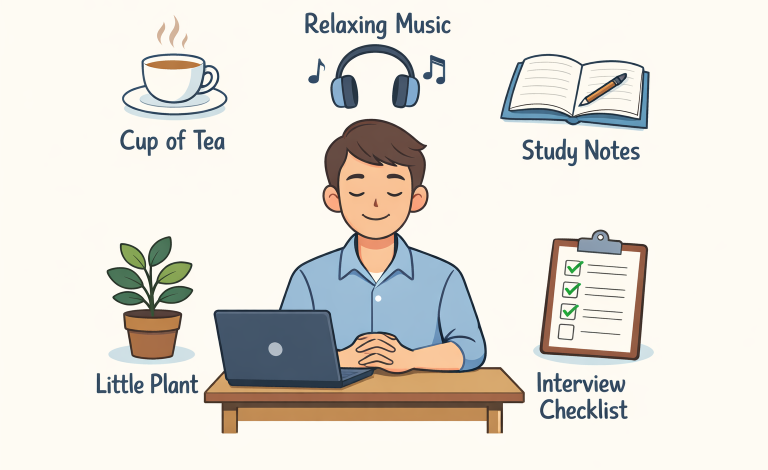
Sensory engagement is a modern preparation tactic that integrates physical and mental readiness. Before an interview, try listening to music that elevates your mood or practicing gentle movement, such as stretching or yoga, to release tension and sharpen your focus. Dressing in attire that feels comfortable yet confident can positively influence your presentation, and subtle scents from essential oils like lavender or citrus can help calm your nerves. Using these techniques before your interview can enhance your state of mind and boost self-assurance.
Adopt the 3-2-1 Method.d
The 3-2-1 method is an effective, structured process to spread out your preparation and ensure thoroughness:
- Three days before: Dive deep into researching the company, its culture, the specific job requirements, and current industry trends. Use reputable resources like Forbes to understand prospective employers.
- Two days before: Rehearse responses to common and behavioral questions, refining your answers and narratives. Practice aloud or with a trusted friend to gain confidence and receive constructive feedback.
- One day before: Review logistics to ensure punctuality, double-check the interview time, location, or video platform details. Prepare your outfit, organize your portfolio, and aim to get quality rest to show up refreshed and ready.
This systematic approach reduces last-minute stress and helps you stay organized throughout the lead-up to your interview.
Craft Compelling Stories
Modern interviews frequently ask for narratives that illustrate your abilities and character. Using the STAR (Situation, Task, Action, Result) method helps you deliver concise, impactful stories. Select examples that demonstrate problem-solving, leadership, adaptability, or how you overcome challenges. By connecting your experiences directly to the job requirements, you reveal not just what you did, but how your contributions matter in a new setting. Storytelling creates engagement, letting interviewers remember you long after the conversation ends.
Embrace a Positive Mindset
A growth-oriented and open mindset is crucial for both performance and well-being. Instead of viewing the interview as a test, approach it as a collaborative conversation. This reduces anxiety and allows authenticity to shine through. By maintaining positivity even when faced with challenging questions, you display resilience and flexibility, two traits highly valued by today’s employers. According to Indeed Career Guide, a positive approach can help you react thoughtfully, build rapport, and leave a strong impression.
Practice Active Listening
Interviews are dialogues, not monologues. Active listening involves focusing fully on the interviewer, observing their verbal and nonverbal cues, and reflecting on their questions before responding. This habit shows respect and engagement while also allowing you to tailor your answers to the specific needs and expectations expressed. Echoing or clarifying parts of a question before replying can further demonstrate that you are attentive and eager to provide the most relevant information.
Prepare Thoughtful Questions
Prepare two or three well-considered questions to ask the interviewer about the company culture, growth opportunities, or team dynamics. Well-crafted questions reveal initiative, curiosity, and preparation. They also give you a chance to assess whether the organization aligns with your values and long-term goals. For ideas, explore how others approach this at Cook’d AI.
Manage Stress Effectively
Even the best-prepared candidates can feel stress before and during interviews. Mindfulness practices, such as controlled breathing, visualization, or short meditation sessions, can help regulate anxiety and support clear thinking. Practicing gratitude or positive affirmations before the interview can further elevate your mental state, helping you respond rather than react when faced with unexpected questions or scenarios.
Follow Up Strategically
After your interview, send a thoughtful, personalized thank-you note to express your gratitude and reiterate your enthusiasm. Mention specific points or moments from the interview, connecting your strengths to the role and company needs. Strategic follow-up not only demonstrates professionalism but also keeps you top of mind with your interviewers, especially during final decision rounds.
Modern interview preparation blends traditional research with fresh, proactive approaches. By bringing together sensory awareness, structured methods, storytelling skills, and positive mindsets, you will be better equipped to succeed in any interview you face.