As dentistry accelerates into a new era defined by rapid innovation and patient-centric care, the need for ongoing development among dental professionals has become more urgent than ever. The profession is experiencing a dramatic transformation, fueled by technology, evolving patient expectations, and a broadening understanding of oral health’s role in overall well-being. New technologies, clinical approaches, and interdisciplinary insights require dental practitioners to engage with the latest advancements to remain effective and active. Those who embrace continual learning benefit from professional growth and the ability to deliver high-quality, evidence-based care. For those looking to further their expertise, targeted continuing education courses for dental professionals offer opportunities to master new tools and techniques essential for modern dental care, ensuring dentists remain at the cutting edge of their field.
Today’s dental training extends well beyond the basics learned in school. The rigid curricula of the past have given way to dynamic programs that reflect the realities and challenges of modern practice. From digital dentistry and specialized programs to hands-on workshops and simulated learning environments, practitioners are expected to marry technical acumen with clinical judgment. These educational pathways not only foster clinical proficiency but also help providers remain agile as clinical guidelines, patient expectations, and workforce demands evolve. Lifelong learning is now an integral part of the dental profession, encouraging practitioners to reevaluate their skills and knowledge continuously as new research and technology emerge. This adaptive approach benefits both practitioners, who gain confidence and capability, and patients, who receive improved care.
Embracing Digital Technologies in Dental Education
Contemporary dental education is increasingly shaped by digital innovation, dramatically altering how future dentists learn and ultimately practice. CAD/CAM (Computer-Aided Design/Manufacturing) systems, 3D printers, and advanced intraoral scanners have moved from cutting-edge concepts to daily essentials in dental clinics and classrooms around the world. These technologies foster a new generation of dentists skilled in efficient, precise treatment planning and restoration fabrication.
Specialized Training Programs for Early-Career Dentists
The pathway from graduation to independent practice is both exciting and challenging, often marked by a steep learning curve. Recognizing this critical period, several regions and organizations have launched structured mentorship and training initiatives that offer real support to new graduates. In Scotland, for example, the ‘Pathways’ program consists of sixteen comprehensive modules designed to guide recent graduates through every aspect of dental practice, from clinical decision-making and technical skills to effective patient management and essential business skills. These thoughtful interventions are helping new practitioners bridge the often sizeable gap between academic learning and practical reality. Through targeted training, mentorship, and real-world exposure, early-career dentists develop the competence and confidence required to navigate the complexities of contemporary dental settings. These programs not only help nurture skills but also encourage an ethical, patient-centered mindset, laying the foundation for safe, high-quality care over the long term.
Hands-On Workshops Enhance Practical Skills
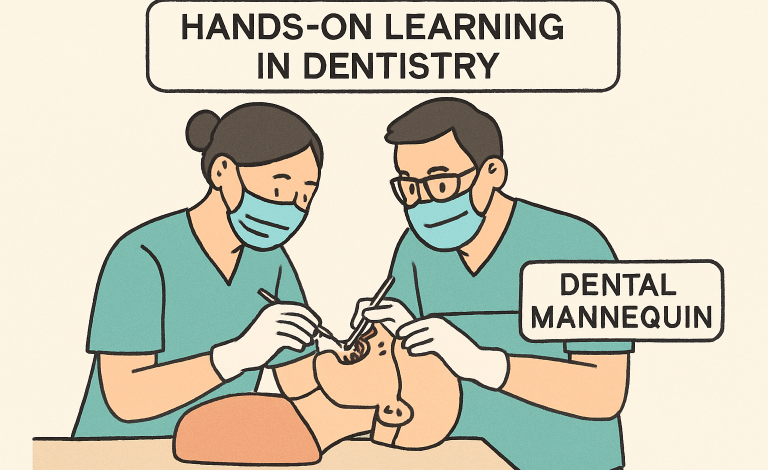
Beyond theoretical knowledge, clinical dentistry demands robust practical experience that empowers practitioners to deliver effective care. Hands-on workshops focused on specific skills—such as exodontia (tooth extraction), restorative procedures, and endodontics—enable dentists to master the intricacies of complex procedures and minimize errors in patient care. These immersive sessions offer practitioners the opportunity to practice techniques under expert guidance, using real instruments and simulated environments that closely mimic real-life clinical settings. In addition, workshops can introduce new materials and systems, helping practitioners stay ahead of the curve and continually raise the bar for dental excellence.
Interdisciplinary Approaches in Dental Training
Oral health’s critical role in systemic conditions is now a core focus of contemporary training, reflecting a growing emphasis on whole-person care. New dental education models encourage collaboration with medical colleagues, fostering integrated care teams that address overall wellness. These multidisciplinary approaches emphasize how periodontal health relates to systemic concerns like diabetes, cardiovascular disease, and adverse pregnancy outcomes. Training programs now routinely include joint sessions with medical students or healthcare professionals from other fields, helping graduates leave dental school ready to view patient health holistically and to work as integral members of broader healthcare teams. According to the CDC, poor oral health is linked to a range of chronic conditions, underscoring the importance of dental professionals in identifying and mitigating systemic health risks. This transformation is especially vital as evidence continues to mount connecting inflammation and infection in the mouth to disease processes elsewhere in the body.
Virtual and Augmented Reality in Dental Training
Interactive technologies such as virtual reality (VR) and augmented reality (AR) are rapidly gaining traction in dental education. These innovative tools create immersive simulations that allow students to navigate realistic clinical scenarios in a risk-free, controlled environment. VR and AR technology promote experiential learning, enabling future dentists to practice dosage calculations, fine motor movements, measurement techniques, and critical decision-making before ever encountering real patients. By allowing students to repeat procedures and analyze mistakes in a safe setting, these platforms promote deep learning and reduce anxiety when they move into actual clinical practice. Universities and continuing education programs around the world are increasingly investing in VR and AR systems, making them an indispensable part of comprehensive dental education. This hands-on virtual experience helps ensure that graduates possess not only knowledge but also the practical skills essential for patient safety and quality care.
Addressing Dental Workforce Needs Through Education
The demand for skilled dental professionals continues to rise, particularly in rural and underserved regions where access gaps are most acute. Through these experiences, dental students gain invaluable exposure to a broad spectrum of cases and develop the adaptability needed to navigate diverse clinical environments. This approach not only ensures robust clinical exposure but also gives future graduates firsthand insight into the unique challenges and rewards of serving diverse populations. Participants often report heightened empathy and a strengthened commitment to public health service. These immersive rotations strengthen the dental workforce, expand equitable access to care, and prepare practitioners for a career marked by meaningful impact.
Conclusion
The future of dentistry is dynamic, interconnected, and technology enabled. Dental professionals committed to lifelong learning—and those who leverage specialized courses, digital technologies, and interdisciplinary collaboration—will be best positioned to deliver outstanding care as the field continues to evolve. Preparing for these changes through continuous education and innovative training methodologies ensures better patient outcomes and a brighter future for the dental profession as a whole. As new advancements transform clinical care, practitioners who embrace change, curiosity, and ongoing development will remain at the forefront of this exciting era for dentistry.