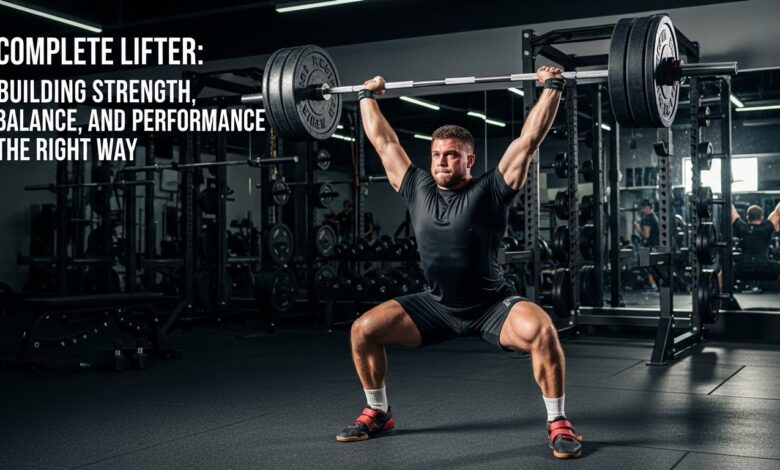
The term Complete lifter represents more than someone who simply lifts heavy weights. A Complete lifter focuses on total development, combining strength, mobility, technique, recovery, and mindset into one balanced approach. In today’s fitness world, where quick results are often prioritized, becoming a Complete lifter means training smart, staying consistent, and building a body that performs well both inside and outside the gym. This article explores what it truly means to be a Complete lifter and how this philosophy can transform long-term fitness results.
Understanding the Complete Lifter Philosophy
A Complete lifter trains with purpose rather than ego. Strength is important, but it is not the only goal. A Complete lifter develops muscle balance, joint stability, endurance, and flexibility alongside raw power. This approach reduces injury risk and supports steady progress over time. Instead of chasing numbers every session, the focus remains on proper form, progressive overload, and sustainable routines.
The Complete lifter mindset also values recovery and nutrition as much as training itself. Sleep quality, stress management, and fueling the body correctly are all essential parts of progress. Without these elements, even the most intense workouts fail to deliver lasting results.
Complete Lifter Training Foundations
The foundation of a Complete lifter program lies in compound movements. Exercises such as squats, deadlifts, presses, and pulls engage multiple muscle groups and teach the body to move as one unit. These movements improve coordination, core strength, and overall athletic ability.
At the same time, isolation exercises play a supporting role. They help correct imbalances, strengthen weak points, and improve muscle definition. A Complete lifter understands how to blend compound and isolation work without overtraining.
Key Movement Patterns for a Complete Lifter
Every Complete lifter program should include the following movement patterns performed with proper technique and controlled progression.
| Movement Pattern | Primary Focus | Common Exercises |
|---|---|---|
| Squat Pattern | Lower body strength and mobility | Back squat, front squat |
| Hinge Pattern | Posterior chain power | Deadlift, Romanian deadlift |
| Push Pattern | Upper body pushing strength | Bench press, overhead press |
| Pull Pattern | Upper body pulling balance | Pull-ups, barbell rows |
| Carry Pattern | Core stability and grip | Farmer’s carries |
Including these patterns ensures full-body development and supports the Complete lifter goal of functional strength.
Nutrition Habits of a Complete Lifter
Training alone does not define a Complete lifter. Nutrition provides the fuel needed for performance and recovery. A balanced intake of protein, carbohydrates, and healthy fats supports muscle repair, energy levels, and hormone balance.
Protein intake helps rebuild muscle tissue after training. Carbohydrates restore glycogen and support intense workouts. Healthy fats assist with joint health and nutrient absorption. A Complete lifter avoids extreme dieting and instead focuses on consistent, sustainable eating habits.
Sample Daily Nutrition Breakdown
| Nutrient | Role for the Complete Lifter | Food Sources |
| Protein | Muscle repair and growth | Lean meat, eggs, legumes |
| Carbohydrates | Training energy | Rice, oats, fruits |
| Healthy Fats | Joint and hormone support | Nuts, olive oil, seeds |
| Micronutrients | Overall health | Vegetables, fruits |
Balanced nutrition allows the Complete lifter to train harder while recovering faster.
Recovery and Mobility for the Complete Lifter
Recovery is often overlooked, yet it defines progress. A Complete lifter respects rest days and understands that muscles grow outside the gym. Quality sleep supports muscle repair, nervous system recovery, and mental focus.
Mobility work is equally important. Stretching, foam rolling, and controlled mobility drills improve joint health and movement efficiency. This keeps the body resilient and capable of handling progressive training loads.
Complete Lifter Mentality and Consistency
Mental discipline separates casual gym-goers from a Complete lifter. Progress comes from consistency rather than motivation alone. Showing up, following a structured plan, and tracking performance builds momentum over time.
A Complete lifter also sets realistic goals. Instead of comparing progress to others, improvement is measured against personal performance. This mindset reduces frustration and supports long-term adherence.
Common Mistakes Avoided by a Complete Lifter
A Complete lifter avoids common pitfalls that stall progress. Ego lifting, poor technique, and neglecting recovery are frequent causes of injury and burnout. By prioritizing form and listening to the body, a Complete lifter stays healthy and continues improving.
Another mistake is program hopping. Consistency with a well-designed routine delivers better results than constantly changing workouts. A Complete lifter commits to a plan long enough to see measurable progress.
Complete Lifter Training Progression
Progression does not always mean lifting heavier weights. A Complete lifter improves through better technique, increased volume, improved tempo control, or reduced rest times. These forms of progression challenge the body while minimizing injury risk.
Tracking workouts helps identify trends and areas for improvement. This structured approach turns training into a measurable process rather than guesswork.
Progress Tracking Table
| Progress Method | Benefit | Example |
| Load Increase | Strength gains | Adding weight gradually |
| Volume Increase | Muscle endurance | Extra sets or reps |
| Technique Improvement | Injury prevention | Better squat depth |
| Recovery Improvement | Long-term sustainability | Improved sleep |
Lifestyle Balance of a Complete Lifter
Fitness does not exist in isolation. A Complete lifter balances training with work, family, and social life. Stress management plays a crucial role in maintaining progress. Excessive stress impacts recovery, sleep, and motivational health.
Simple habits such as walking, hydration, and breathing exercises support overall wellness. This holistic lifestyle approach aligns perfectly with the Complete lifter philosophy.
Why the Complete Lifter Approach Works Long Term
Short-term programs may deliver quick results, but they often fail to last. The Complete lifter method focuses on sustainability. By combining strength, mobility, nutrition, recovery, and mindset, results become consistent and lasting.
This approach adapts to different fitness levels and goals. Whether training for strength, aesthetics, or general health, the Complete lifter framework supports steady improvement without burnout.
Final Thoughts on Becoming a Complete Lifter
Becoming a Complete lifter is a journey rather than a destination. It requires patience, discipline, and a willingness to learn. By training smart, fueling the body correctly, and prioritizing recovery, anyone can adopt this balanced approach.
The Complete lifter philosophy encourages progress that lasts for years, not weeks. With consistency and focus, strength and health grow together, creating a body that performs, recovers, and adapts efficiently.