Deep Cleaning: A Complete Guide to Creating a Healthier and More Hygienic Environment

Introduction to Deep Cleaning
Deep cleaning is an essential process that goes far beyond routine or surface-level cleaning. While regular cleaning focuses on visible dirt and daily upkeep, deep cleaning targets hidden grime, bacteria, allergens, and buildup that accumulate over time in areas often overlooked. Homes, offices, and commercial spaces all benefit from periodic deep cleaning, as it restores cleanliness, improves indoor air quality, and promotes a healthier environment. Deep cleaning is not simply about appearance; it is about eliminating contaminants that affect health, comfort, and long-term maintenance of a property.
Over time, dust settles into carpets, grease builds up in kitchens, mold develops in damp areas, and bacteria thrive on frequently touched surfaces. Even spaces that appear clean can harbor harmful pollutants that routine cleaning does not address. Deep cleaning systematically tackles these problem areas using specialized tools, techniques, and products to achieve a higher standard of cleanliness. Whether performed seasonally, before special occasions, or as part of a maintenance plan, deep cleaning plays a critical role in preserving the condition and hygiene of any space.
What Deep Cleaning Really Means
Deep cleaning is a comprehensive and detailed cleaning process designed to remove deeply embedded dirt, stains, bacteria, and allergens. Unlike regular cleaning, which typically includes sweeping, wiping, and light disinfecting, deep cleaning addresses areas that are often ignored or difficult to reach. This includes baseboards, grout lines, vents, behind appliances, upholstery, and high-touch surfaces that collect germs over time.
The goal of deep cleaning is not only to clean visible surfaces but also to sanitize and restore them. It involves the use of advanced cleaning methods such as steam cleaning, scrubbing, degreasing, and disinfecting to break down stubborn buildup. Deep cleaning also focuses on improving air quality by removing dust, mold spores, and allergens trapped in carpets, curtains, and ventilation systems. By targeting both visible and invisible contaminants, deep cleaning creates a healthier and more comfortable environment.
Importance of Deep Cleaning for Health and Hygiene
One of the most significant benefits of deep cleaning is its impact on health. Dust, pollen, pet dander, mold, and bacteria can accumulate over time, contributing to allergies, respiratory issues, and other health concerns. Regular surface cleaning may remove visible dirt, but it does not eliminate deeply embedded contaminants that affect indoor air quality. Deep cleaning addresses these hidden threats, reducing the risk of illness and improving overall well-being.
Bathrooms and kitchens are particularly prone to bacterial growth due to moisture, food residue, and frequent use. Deep cleaning disinfects these areas thoroughly, removing harmful pathogens that can spread illness. In homes with children, elderly residents, or individuals with compromised immune systems, deep cleaning is especially important to maintain a safe living environment. By eliminating germs and allergens, deep cleaning supports a cleaner, healthier space that promotes comfort and peace of mind.
Areas Commonly Addressed During Deep Cleaning
Deep cleaning covers a wide range of areas that are often neglected during routine cleaning. In living spaces, this includes cleaning under furniture, wiping baseboards, dusting ceiling fans, and washing curtains or blinds. Carpets and rugs are vacuumed deeply or steam-cleaned to remove embedded dirt and allergens. Upholstered furniture is treated to eliminate dust, stains, and odors that accumulate with daily use.
In kitchens, deep cleaning involves degreasing cabinets, cleaning behind and beneath appliances, scrubbing backsplashes, sanitizing countertops, and disinfecting sinks and drains. Built-up grease and food residue are removed to restore cleanliness and reduce the risk of pests or bacterial growth. Appliances such as ovens, refrigerators, and microwaves receive detailed attention to eliminate stubborn grime and odors.
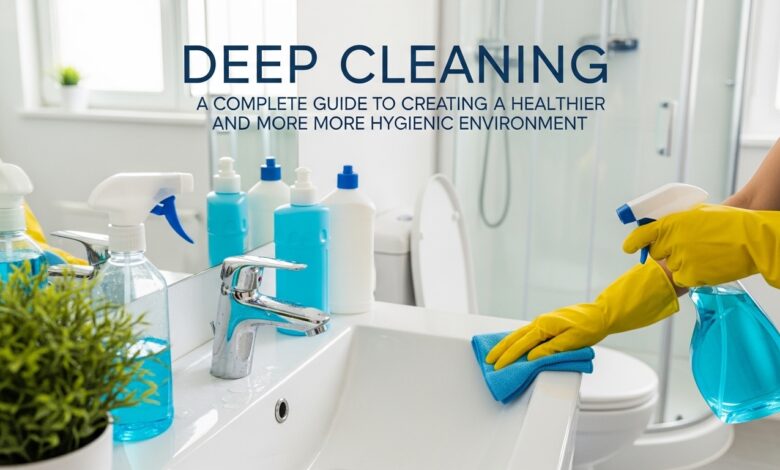
Bathrooms undergo thorough sanitization during deep cleaning. Tile grout is scrubbed, fixtures are disinfected, and mold or mildew is treated effectively. Toilets, showers, bathtubs, and vanities are cleaned using products designed to eliminate bacteria and buildup. These processes ensure a hygienic and refreshed bathroom environment that routine cleaning alone cannot achieve.
Deep Cleaning in Residential Spaces
Deep cleaning is particularly valuable in residential environments where daily living naturally leads to dirt accumulation. Homes experience constant foot traffic, cooking, pet activity, and exposure to outdoor pollutants. Over time, these factors contribute to a buildup that affects cleanliness and comfort. Deep cleaning restores the home to a higher standard of hygiene, making it more pleasant and healthier for occupants.
Seasonal deep cleaning is a common practice among homeowners, often performed in spring or fall. This allows for a reset after months of closed windows or heavy usage. Deep cleaning is also beneficial before moving into a new home or after renovations, as it removes construction dust, residue, and debris. For homeowners preparing to sell, deep cleaning enhances presentation and increases perceived value by showcasing a well-maintained and hygienic property.
Deep Cleaning for Commercial and Office Spaces
In commercial environments, deep cleaning is essential for maintaining professional standards, employee health, and customer satisfaction. Offices, retail spaces, healthcare facilities, and hospitality venues experience high levels of foot traffic and surface contact, increasing the risk of germ transmission. Regular deep cleaning reduces the spread of illness, supports employee productivity, and creates a positive impression on clients and visitors.
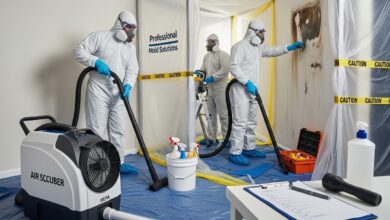
Commercial deep cleaning in Sunny Side Clean Team often includes carpet extraction, floor stripping and waxing, upholstery cleaning, air vent sanitation, and detailed restroom cleaning. These services go beyond daily janitorial tasks, addressing buildup that affects cleanliness and safety. Businesses that invest in regular deep cleaning demonstrate a commitment to hygiene, professionalism, and long-term maintenance, which can positively influence reputation and operational efficiency.
Tools and Techniques Used in Deep Cleaning
Deep cleaning requires specialized tools and techniques to achieve effective results. Professional-grade vacuums with HEPA filters remove fine dust particles and allergens from carpets and upholstery. Steam cleaners use high-temperature vapor to sanitize surfaces, dissolve grease, and kill bacteria without relying heavily on chemicals. Scrubbers and rotary machines are used to clean tile, grout, and hard floors thoroughly.
Cleaning solutions used in deep cleaning are carefully selected based on surface type and contamination level. Degreasers, disinfectants, and enzyme-based cleaners target specific issues such as grease, bacteria, and organic stains. Microfiber cloths and mop systems are used to capture dirt efficiently while reducing cross-contamination. These tools and methods ensure that deep cleaning is both effective and safe for various surfaces.
Difference Between Regular Cleaning and Deep Cleaning
Understanding the distinction between regular cleaning and deep cleaning helps clarify why both are necessary. Regular cleaning focuses on maintaining cleanliness through tasks such as sweeping, dusting, wiping surfaces, and light disinfecting. These activities keep spaces tidy and manageable but do not address deeply embedded dirt or long-term buildup.
Deep cleaning, on the other hand, is more intensive and time-consuming. It targets areas that are not cleaned frequently, removes stubborn grime, and sanitizes surfaces thoroughly. Deep cleaning is typically performed less often than regular cleaning but provides a more comprehensive level of cleanliness. Combining regular cleaning with periodic deep cleaning creates an effective maintenance strategy that preserves hygiene and prevents excessive buildup.
Frequency of Deep Cleaning
The frequency of deep cleaning depends on factors such as space usage, occupancy, lifestyle, and environmental conditions. Homes with pets, children, or allergy sufferers may require more frequent deep cleaning to maintain air quality and hygiene. Commercial spaces with heavy foot traffic often benefit from scheduled deep cleaning on a quarterly or semi-annual basis.
Seasonal deep cleaning is common in residential settings, while businesses may incorporate deep cleaning into their annual maintenance plans. Additionally, deep cleaning is recommended after major events, illness outbreaks, renovations, or long periods of inactivity. Establishing a regular deep cleaning schedule ensures that spaces remain hygienic, comfortable, and well-maintained over time.
Benefits of Professional Deep Cleaning
While some homeowners attempt deep cleaning on their own, professional deep cleaning offers significant advantages. Trained professionals have the expertise, equipment, and products required to clean efficiently and thoroughly. They understand how to treat different surfaces without causing damage and can identify problem areas that may not be immediately visible.
Professional deep cleaning saves time and effort while delivering superior results. It also reduces stress, as the process is handled systematically and safely. For businesses, professional deep cleaning minimizes disruption to operations and ensures compliance with hygiene standards. The long-term benefits include improved cleanliness, extended lifespan of surfaces, and enhanced overall comfort.
Eco-Friendly Approaches to Deep Cleaning
Modern deep cleaning practices increasingly emphasize sustainability and environmental responsibility. Eco-friendly cleaning products reduce chemical exposure and minimize environmental impact without compromising effectiveness. Steam cleaning and microfiber technology allow for deep sanitation with minimal water and chemical use.
Green deep cleaning is especially beneficial for households with children, pets, or individuals sensitive to harsh chemicals. It also supports healthier indoor air quality by reducing volatile organic compounds. Choosing eco-friendly deep cleaning methods reflects a commitment to both personal health and environmental stewardship.
Preparing for a Deep Cleaning Session
Proper preparation enhances the effectiveness of deep cleaning. Removing clutter, securing valuables, and communicating specific concerns help ensure that all priority areas are addressed. For businesses, scheduling deep cleaning during off-hours minimizes disruption and allows cleaners to work efficiently.
Providing access to utilities such as water and electricity supports the use of professional equipment. Clear communication about expectations, timelines, and special requirements ensures a smooth and productive deep cleaning process that delivers optimal results.
Conclusion
Deep cleaning is an essential practice that supports health, hygiene, and long-term maintenance of residential and commercial spaces. By addressing hidden dirt, allergens, and bacteria, deep cleaning creates a cleaner, safer, and more comfortable environment. Unlike routine cleaning, deep cleaning provides a comprehensive level of sanitation that improves air quality, enhances appearance, and protects surfaces from deterioration.
Whether performed seasonally, periodically, or as part of a maintenance strategy, deep cleaning delivers lasting benefits that extend beyond visual cleanliness. Investing in thorough deep cleaning promotes well-being, preserves property value, and ensures that living and working spaces remain hygienic and inviting. Through professional techniques, proper tools, and thoughtful planning, deep cleaning transforms spaces into healthier environments that support comfort, productivity, and peace of mind.