From Analog to Autonomous: How Technology Is Reshaping Mobile Command Center Specifications

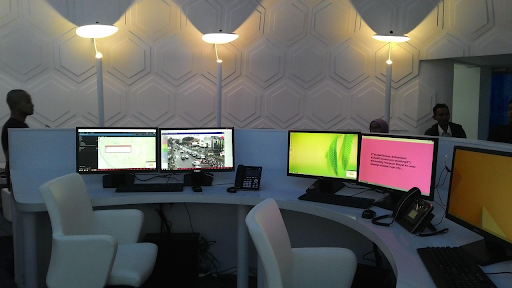
What makes a modern mobile command center different than one purchased just ten years ago?
You’re about to find out. Today’s mobile command centers aren’t what they used to be. We’re not talking about throwing a radio and some paper maps in a truck anymore.
Mobile command centers have evolved into AI-powered command posts that can remotely direct entire emergency responses.
But there’s something you should know first…
Mobile command center specifications have changed as rapidly as the technology inside them.
Getting a handle on modern mobile command center specs is more than just shopping for new equipment. Successful commanders know that the technology alone changes the capabilities of what these vehicles can do on scene.
Before we get into that…
Here’s what we’re going to cover:
- Throwbacks to Mobile Command Center Specs of the Past
- Why Mobile Command Center Specs Matter Like Never Before
- Command Center Features Dictated By Modern Technology
- Artificial Intelligence = The Future of Mobile Command Center Specifications
Throwbacks to Mobile Command Center Specs of the Past
Here’s a look back at the good old days.
Walk into a mobile command center from twenty years ago. You’d probably find…
Radios Paper Maps Office chairs and tables, maybe bolted to the floor so no one steals them
Getting the mobile command center specifications right meant having enough radios and radio channels to coordinate with each team. Maybe a backup generator if you were feeling fancy.
Looks like things have changed quite a bit since then.
Modern mobile command center specifications are taken straight from the future.
Command centers need real-time video feeds from drones on scene. Satellite connectivity. Enough computational power to run artificial intelligence predicting resource requirements before the commanders even know they need to be requested.
Market research confirms it. The global command and control systems market hit $36.7 billion in 2024 and is expected to continue growing.
This growth comes down to one thing…
Companies are buying mobile platforms that can go to the problem and make a difference.
Why Mobile Command Center Specs Matter Like Never Before
Responses to emergencies have changed.
More frequent natural disasters. Urban incidents that require rapid coordination. Aging critical infrastructure being bombarded by physical and cyber threats.
A mobile command center with outdated or incorrect specifications will struggle to keep pace with demands.
Here’s the important part:
Modern mobile command center specs have a direct impact on response times. Mobile command centers deploy command-and-control resources directly to the crisis, eliminating the lag of routing information through a central station.
Having the right mobile command center specs can mean the difference between containment and catastrophe.
Here’s one example. Communication systems.
Legacy command posts came equipped with radio systems. Single-point hardware that has been proven to fail in crisis situations.
Modern specs will include:
- 5G-enabled and encrypted communication capabilities
- Satellite connectivity
- Mesh networking to support areas where other infrastructure may have been damaged or destroyed
- Real-time video surveillance streams
…and that’s just one feature. Each of these technologies comes with specifications of their own that must work together flawlessly.
Command Center Features Dictated By Modern Technology
Mobility Communication Data processing
What do these things have in common? They’re the technologies found inside every modern command center and the features that have defined how specs have changed over the past decade.
Communications & Connectivity
If connectivity is lost, a mobile command center has failed at its core purpose. There is no command and control without communication.
Modern vehicles are being specified with redundant communications systems. If cellular is unavailable, satellite. If satellite can’t connect, mesh networks expand to fill the gap.
Don’t let it happen to your command center.
Specifications should be written in a way that losing one communication method won’t cripple your ability to coordinate a response.
Real-Time Data
Sprinkled into that communication mix are dozens of feeds streaming into the command center.
Weather updates. Traffic cameras. Social media notification. First responder status reports. Data from drones overhead.
The specifications for on-board hardware and software must be capable of processing this influx of information. Powerful computers. Large data storage. Smart systems that filter out the useless data so commanders can focus on what’s important.
Power Isn’t Overrated
Want to render your command center completely useless? Take away their power.
That’s why modern specifications include multiple power options. Solar panels. High-capacity battery systems. Hybrid generators that can run for weeks if necessary, silently and without creating a pollution footprint.
Giving mobile command centers sources of energy they can rely on, even if the local power grid is down, has become a key specification.
Artificial Intelligence = The Future of Mobile Command Center Specifications
Things are about to get really cool…
Mobile command centers are starting to implement artificial intelligence technologies. Command and control teams have seen 35% improvement in crisis management when utilizing integrated AI technology.
35% better. That’s significant.
AI is being used to:
- Predict resource requests with historical data analysis
- Automatically triage information pulled into the command center
- Translate foreign languages in real-time
- Recognize patterns indicating a developing crisis across multiple data feeds
Pretty neat stuff. And it gets better.
AI learns as it goes. The more your crew uses it, the smarter it gets for the next emergency.
Mobile Command Centers Will Drive Themselves into the Future
How cool would it be to park your command center right where you need it…and forget about driving?
Technology is getting to that point. Self-driving command vehicles may not be here… but they’re being developed for use in some of the highest-risk environments around.
Imagine dropping a command center into the middle of a wildfire zone and having it navigate on its own. No operators exposed to the dangers of the crisis environment. Or guiding unmanned vehicles into chemical spills and active war zones.
The applications are endless.
Final Thoughts: Write Your Specs With Technology In Mind
Writing specifications for a modern mobile command center is more about balance.
Ensuring all these technology features work together seamlessly requires planning. Asking the right questions when starting the specification process will help you keep it all straight.
Here are a few to consider:
What kind of emergencies will this vehicle be responding to? Urban environments have different requirements than wildland fire response or combat applications.
What other systems will it need to integrate with? Software and communication interoperability should be considered before specifying hardware that won’t connect.
How long do you expect the vehicle to operate? Power specs shouldn’t just include the size of the generator, but how long it can provide energy for.
Maintenance and upgrades. Technology doesn’t stand still. Make sure your specs leave room for advancements that will come over the lifetime of the vehicle.
Technology has revolutionized mobile command center specifications. If your command center doesn’t have smart tech at its core, it’s time for an upgrade.
Let’s review:
- Specs have come a long way from the analog technology of the past
- Mobile command center specs directly impact response times
- Technology features like connectivity, data handling, and power supply have defined what equipment gets specified
- Artificial intelligence and autonomous vehicles are the future of mobile command center specs
Knowing how technology changes the game when writing specs keeps your organization ready for the next emergency. Ignoring it dooms you to deploy expensive technology that won’t perform when you need it most.