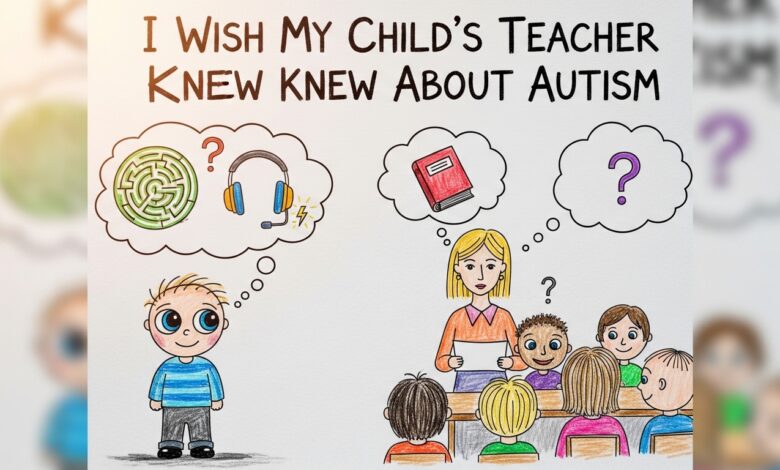
When parents send their child with autism to school, they carry hope, concern, and trust all at once. Hope that their child will be understood, concern about how challenges will be handled, and trust that educators will see beyond surface-level behaviors. Many parents find themselves thinking, “I wish my child’s teacher knew this about autism.” This thought does not come from blame, but from a deep desire for understanding, patience, and meaningful support. Autism shapes how a child experiences the classroom, communicates needs, and engages with learning, and understanding these differences can transform a child’s educational experience.
Autism Is a Different Way of Experiencing the World
Autism is not a single experience or personality trait; it is a neurological difference that influences how a child processes information, interacts socially, and responds to their environment. Children with autism are not choosing to learn differently; their brains are wired to perceive and respond to the world in unique ways. Some may excel in visual learning, others may have strong analytical skills, and many show deep focus on specific interests.
Parents often wish teachers understood that these differences are not deficits. A child may struggle with verbal communication yet demonstrate strong comprehension. Another may find group work difficult but excel in independent tasks. Recognizing autism as a difference rather than a limitation opens the door to more inclusive and effective teaching strategies.
Behavior Is Communication, Not Misconduct
One of the most important things parents wish teachers knew is that behavior is a form of communication. When a child with autism displays behaviors such as leaving their seat, avoiding tasks, or becoming overwhelmed, they are often expressing discomfort, confusion, or unmet needs. These behaviors are rarely intentional acts of defiance.
Understanding behavior as communication shifts the response from punishment to problem-solving. Teachers who look beyond the behavior to understand its cause can better support the child. Sensory overload, unclear instructions, anxiety, or difficulty with transitions are common triggers. When teachers respond with empathy, children feel safer and more supported, which leads to better learning outcomes.
Sensory Sensitivities Affect Learning
Classrooms are filled with sensory input that many people barely notice. For children with autism, however, sensory experiences can be intense and overwhelming. Bright lights, background noise, strong smells, or crowded spaces can make it difficult to concentrate or remain calm. Parents often wish teachers understood how exhausting it can be for their child to manage sensory input throughout the school day.
A child who appears distracted or irritable may actually be coping with sensory overload. Simple adjustments such as allowing noise-reducing tools, offering flexible seating, or providing quiet breaks can significantly improve comfort and focus. When sensory needs are acknowledged, children are better able to engage with learning.
Transitions Can Be the Hardest Part of the Day
Transitions are often more challenging for children with autism than the tasks themselves. Moving from one activity to another, switching classrooms, or changing routines can create anxiety and uncertainty. Parents frequently wish teachers knew that resistance during transitions is not stubbornness but a response to unpredictability.
Providing clear warnings, visual schedules, and consistent routines can help children prepare for changes. When transitions are predictable and supported, children feel more secure. Teachers who allow extra time and offer reassurance during transitions help reduce stress and support emotional regulation.
Social Skills Require Explicit Instruction
Social interaction is another area where misunderstanding can occur. Many children with autism want to connect with others but struggle with unspoken social rules. Understanding facial expressions, tone of voice, or group dynamics often requires explicit teaching rather than observation alone.
Parents wish teachers understood that social challenges do not reflect a lack of interest in relationships. Structured social opportunities, clear expectations, and peer modeling can make social learning more accessible. When social skills are treated as teachable rather than assumed, children feel less pressure and more opportunity to succeed.
Emotional Regulation Is a Learned Skill
Children with autism often experience emotions intensely and may struggle to regulate them in conventional ways. Emotional outbursts or shutdowns are not intentional misbehavior but signs of overwhelm. Parents wish teachers understood that these moments require support, not punishment.
Teaching coping strategies, allowing breaks, and responding calmly can help children regain balance. Over time, consistent support helps children build emotional regulation skills. When teachers approach emotional challenges with patience, they create a classroom environment that feels safe and respectful.
Consistency Creates Safety
Consistency is critical for children with autism. Predictable routines, clear expectations, and consistent responses reduce anxiety and build trust. Parents often wish teachers understood how destabilizing inconsistency can be, even when changes seem minor.
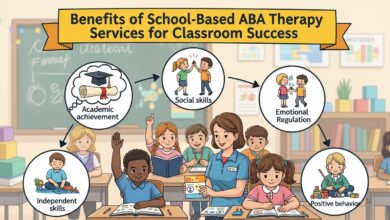
When classroom strategies align with those used at home or in therapeutic settings, children experience greater success. Collaboration with families and professionals, including those involved in ABA therapy services, helps ensure consistency across environments. This continuity supports both learning and emotional well-being.
Progress May Look Different Than Expected
Progress for a child with autism does not always align with traditional academic benchmarks. Growth may appear in increased communication, improved self-regulation, or greater independence. Parents wish teachers recognized these achievements as meaningful successes.
A child who tolerates group activities for longer periods or asks for help independently is making significant progress. When teachers acknowledge effort and growth rather than focusing solely on outcomes, children feel encouraged and motivated. Every step forward deserves recognition.
Collaboration Makes a Meaningful Difference
Parents value teachers who are open to collaboration. Families often have deep insight into their child’s needs, strengths, and triggers. Sharing this knowledge can help teachers better support the child in the classroom.
Support systems such as ABA therapy services often provide strategies that can be helpful in educational settings. When teachers are willing to learn from families and professionals, children benefit from a unified approach. Collaboration builds trust and strengthens support for the child.
Flexibility Supports Access to Learning
Flexibility in teaching methods allows children with autism to demonstrate learning in ways that work for them. This may include visual supports, hands-on activities, alternative communication methods, or modified pacing. Parents wish teachers understood that flexibility does not lower expectations; it removes barriers.
When children are given multiple ways to participate and show understanding, they are more likely to succeed. Flexibility communicates respect for individual differences and fosters engagement and confidence.
Strengths Deserve Recognition
Children with autism often possess remarkable strengths, such as honesty, creativity, attention to detail, or strong memory. Parents wish teachers would notice and celebrate these qualities, not just focus on challenges.
Highlighting strengths helps children build a positive self-image. When strengths are incorporated into lessons or classroom roles, children feel valued and included. Celebrating individuality benefits the entire classroom community.
Support Beyond Academics Matters
A teacher’s understanding can shape a child’s emotional well-being and self-esteem. Parents often wish teachers realized how deeply their words and actions impact their child’s confidence. Feeling understood at school can influence how a child views themselves and learning as a whole.
When teachers are open to learning about autism and working with supports like ABA therapy services, they create an environment where children feel respected. This understanding extends beyond academics, supporting emotional growth and resilience.
Teachers Have a Lasting Impact
Many parents remember the teachers who truly understood their child. A supportive teacher can change the course of a child’s educational journey. Parents wish every teacher knew the power they hold in shaping confidence, opportunity, and self-worth.
Understanding autism does not require perfection; it requires openness, patience, and willingness to learn. Teachers who approach each child with compassion create classrooms where diversity is valued and every student has the opportunity to thrive.
Conclusion
“I wish my child’s teacher knew this about autism” reflects a hope for empathy, understanding, and collaboration. Autism influences how children experience the classroom, but it does not define their potential. By recognizing behavior as communication, respecting sensory needs, valuing consistency, and celebrating strengths, teachers can make a profound difference.
When families, educators, and support systems such as ABA therapy services work together, children receive consistent and meaningful support. Understanding autism is not about changing children to fit the classroom; it is about shaping classrooms to support every child. Through patience, flexibility, and compassion, teachers can help create learning environments where children with autism feel seen, supported, and empowered to succeed.