Kitchen Renovation: Planning, Design, Functionality, and Long-Term Value

Understanding the Importance of Kitchen Renovation
The kitchen has evolved far beyond its traditional role as a place for cooking. Today, it functions as a central gathering space where families connect, meals are shared, and daily routines unfold. Because of this shift, a well-designed kitchen plays a crucial role in both comfort and functionality. A thoughtful kitchen renovation can dramatically improve how a home feels and operates, transforming an outdated or inefficient space into one that supports modern living.
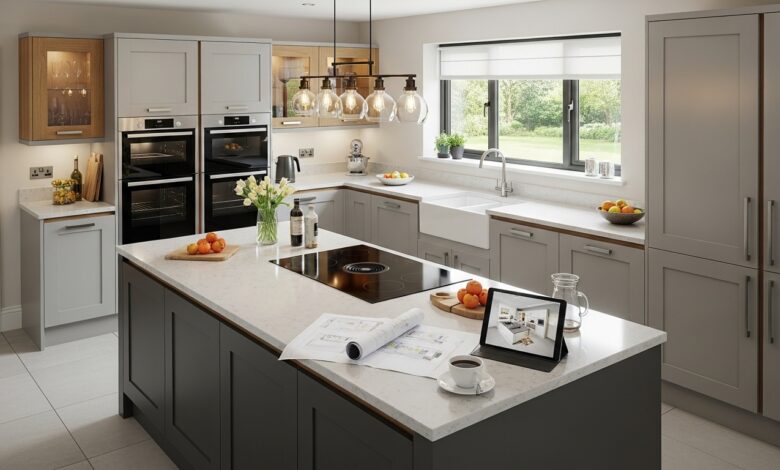
Renovating a kitchen is not simply about visual upgrades. It involves improving layout, workflow, storage, lighting, and durability while ensuring the space aligns with the lifestyle of those who use it. An effective renovation enhances efficiency, reduces maintenance issues, and increases property value. When planned correctly, it becomes an investment that delivers long-term benefits rather than a short-term aesthetic change.
Assessing the Need for Renovation
Every kitchen renovation begins with understanding why the upgrade is necessary. Some kitchens suffer from outdated designs, inefficient layouts, or worn materials that no longer meet functional needs. Others may lack sufficient storage, workspace, or modern appliances, making everyday tasks more difficult than necessary. In many cases, homeowners seek renovation because the kitchen no longer supports their lifestyle, especially as families grow or habits change.
Evaluating the current condition of cabinetry, countertops, flooring, lighting, and appliances provides insight into what needs improvement. Structural issues, outdated electrical systems, or poor ventilation may also influence renovation decisions. A clear understanding of existing limitations allows homeowners to define goals and prioritize improvements that deliver the greatest impact.
Planning and Budgeting for a Successful Project
Careful planning is the foundation of a successful kitchen renovation. Establishing a realistic budget early helps guide decisions regarding materials, finishes, and design complexity. A well-structured budget should account for labor, materials, appliances, permits, and contingency funds for unexpected expenses. Renovation projects often uncover hidden issues, so allowing flexibility in the budget helps prevent delays or compromises.
Planning also involves defining the scope of the renovation. Some projects focus on cosmetic updates, such as replacing cabinets and countertops, while others involve structural changes, plumbing adjustments, or electrical upgrades. Clearly outlining the scope ensures that expectations remain realistic and that the project progresses smoothly from start to finish.
Layout and Workflow Considerations
The layout of a kitchen directly influences its efficiency and comfort. A well-designed layout supports natural movement between cooking, cleaning, and storage areas. Poor layouts can create congestion, wasted space, and frustration during daily use. One of the main goals of renovation is to improve workflow while maximizing available space.
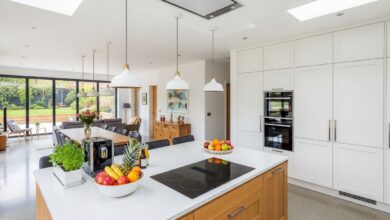
Open-concept designs have become increasingly popular, allowing kitchens to connect seamlessly with dining or living areas. This approach enhances social interaction and creates a sense of openness. However, even within open layouts, thoughtful zoning is essential to maintain functionality. Proper placement of appliances, countertops, and storage areas ensures that the kitchen remains practical and easy to use.
Cabinetry and Storage Solutions
Cabinetry plays a central role in both the appearance and functionality of a kitchen. Well-designed cabinets provide essential storage while contributing to the overall aesthetic of the space. Modern renovation projects often focus on maximizing storage through smart solutions such as pull-out shelves, deep drawers, corner systems, and built-in organizers.
Material selection is equally important. Solid wood, engineered materials, and laminate options each offer different benefits in terms of durability, cost, and maintenance. Finishes and colors should complement the overall design while remaining timeless enough to maintain long-term appeal. Investing in quality cabinetry enhances daily usability and ensures longevity.
Countertops and Work Surfaces
Countertops are among the most heavily used surfaces in any kitchen, making durability and functionality key considerations. Materials such as natural stone, engineered quartz, solid surface, and laminate offer a range of options to suit different budgets and design preferences. Each material varies in maintenance requirements, resistance to heat and stains, and visual appeal.
Beyond material selection, countertop layout should support cooking and preparation activities. Adequate workspace near appliances and sinks improves efficiency and reduces clutter. A well-planned countertop design balances aesthetics with practicality, ensuring that the kitchen remains functional for years to come.
Flooring and Durability
Kitchen flooring must withstand heavy foot traffic, spills, and temperature changes while maintaining visual appeal. Renovation projects often prioritize materials that combine durability with ease of maintenance. Tile, engineered wood, luxury vinyl, and stone are common choices, each offering unique benefits.
The flooring design should complement cabinetry and countertops while providing a cohesive look throughout the home. Slip resistance, comfort underfoot, and long-term durability are important factors when selecting flooring materials. A thoughtful choice ensures safety, comfort, and visual harmony within the kitchen.
Lighting and Electrical Planning
Lighting significantly affects both functionality and atmosphere in a kitchen. A successful renovation incorporates multiple layers of lighting, including ambient, task, and accent lighting. Ambient lighting provides overall illumination, while task lighting focuses on work areas such as countertops and cooking zones. Accent lighting highlights architectural features or design elements.
Electrical planning is equally critical. Modern kitchens rely on numerous appliances and devices, requiring adequate outlets and updated wiring. Proper placement of lighting fixtures and outlets improves usability and enhances the overall experience. Investing in energy-efficient lighting solutions also contributes to long-term cost savings and sustainability.
Appliances and Modern Technology
Appliances are central to kitchen functionality and often represent a significant portion of the renovation budget. Selecting appliances that balance performance, energy efficiency, and design ensures long-term satisfaction. Built-in appliances create a streamlined appearance, while smart appliances offer advanced features that enhance convenience.
Technology integration has become an important aspect of modern kitchen design. Touchless faucets, smart lighting, and connected appliances improve efficiency and hygiene. Thoughtful integration of technology ensures that the kitchen remains adaptable to future advancements without sacrificing usability.
Ventilation and Indoor Comfort
Proper ventilation is essential for maintaining air quality and comfort in the kitchen. Cooking generates heat, moisture, and odors that must be effectively removed. A well-designed ventilation system prevents buildup, protects surfaces, and enhances overall comfort.
Range hoods, exhaust fans, and ventilation systems should be selected based on cooking habits and kitchen layout. Quiet operation and efficient airflow improve the user experience while supporting long-term durability of finishes and appliances. Ventilation planning is often overlooked but plays a critical role in renovation success.
Sustainability and Material Choices
Sustainability has become an increasingly important consideration in renovation projects. Choosing environmentally responsible materials and energy-efficient appliances reduces environmental impact while lowering operating costs. Recycled materials, sustainably sourced wood, and low-emission finishes contribute to healthier indoor environments.
Water-efficient fixtures and energy-saving lighting further support sustainability goals. A renovation that prioritizes responsible choices aligns with modern values while delivering practical benefits. Sustainable design ensures that the kitchen remains both functional and environmentally conscious over time.
Managing the Renovation Process
Executing a kitchen renovation requires coordination, communication, and careful oversight. Scheduling tasks in the correct sequence prevents delays and ensures quality results. Demolition, structural work, electrical upgrades, cabinetry installation, and finishing details must be managed efficiently.
Clear communication with contractors and designers helps align expectations and avoid misunderstandings. Regular progress reviews ensure that the project stays on schedule and within budget. A well-managed renovation minimizes disruptions and delivers a finished kitchen that meets both functional and aesthetic goals.
Long-Term Value and Return on Investment
A well-executed kitchen renovation adds significant value to a home. Updated kitchens are among the most influential factors for potential buyers, often determining overall impressions of a property. Beyond resale value, renovation enhances daily living by improving comfort, efficiency, and enjoyment.
Investing in quality materials, timeless design, and thoughtful planning ensures that the kitchen remains relevant and appealing for years. A renovation that balances aesthetics with functionality delivers lasting value and satisfaction.
Conclusion
Kitchen renovation is a transformative process that goes beyond visual improvement. It enhances functionality, supports modern lifestyles, and increases long-term property value. By carefully planning layout, materials, lighting, appliances, and sustainability features, homeowners can create kitchens that are efficient, comfortable, and enduring. A successful renovation reflects thoughtful design, practical choices, and attention to detail, resulting in a space that serves as the true heart of the home for years to come.