Protecting Indoor Health and Structural Integrity Through Professional Mold Solutions

Mold growth is one of the most underestimated threats to indoor environments. Often hidden behind walls, beneath flooring, or within ventilation systems, mold can quietly spread while compromising both health and structural stability. What begins as a minor moisture issue can evolve into a serious concern affecting air quality, building materials, and overall comfort. Understanding how mold develops, why it is dangerous, and how it can be properly addressed is essential for property owners who want to maintain safe and healthy indoor spaces.
Moisture is the primary catalyst for mold. Leaks, flooding, high humidity, condensation, or poor ventilation all create favorable conditions for spores to settle and multiply. Once established, mold does not remain confined to one area. It releases microscopic spores into the air, which can travel throughout a building and settle in new locations. Because these spores are invisible to the naked eye, the full extent of contamination is often far greater than what appears on the surface.
The Hidden Impact of Mold on Health
One of the most serious aspects of mold growth is its potential impact on human health. Mold spores can irritate the respiratory system, triggering symptoms such as coughing, sneezing, nasal congestion, and throat irritation. For individuals with asthma, allergies, or weakened immune systems, exposure may lead to more severe reactions, including difficulty breathing and chronic sinus infections.
Long-term exposure can be particularly concerning. Some types of mold produce mycotoxins, which are toxic compounds that may cause persistent headaches, fatigue, and neurological symptoms in sensitive individuals. Children and elderly occupants are especially vulnerable, as their immune systems may be less capable of coping with prolonged exposure. Even pets can suffer health issues when mold is present in the home.
Because symptoms often resemble common illnesses or seasonal allergies, mold-related health problems are frequently misdiagnosed. This delay allows the underlying issue to worsen, reinforcing the importance of identifying and addressing mold at its source rather than treating symptoms alone.
How Mold Damages Buildings Over Time
Beyond health concerns, mold poses a significant threat to the structural components of a building. Mold feeds on organic materials such as wood, drywall, insulation, and even certain adhesives. As it spreads, it weakens these materials, reducing their strength and durability.
Wood framing and subflooring can become soft and compromised, increasing the risk of warping or collapse over time. Drywall may crumble or discolor, while insulation loses its effectiveness when saturated and contaminated. Left unaddressed, mold damage can require extensive reconstruction, turning what might have been a manageable issue into a costly project.
Mold can also affect finishes and furnishings. Carpets, upholstery, and curtains readily absorb moisture and spores, making them difficult to salvage once contamination is widespread. The longer mold is allowed to persist, the more extensive the damage becomes, underscoring the need for prompt action.
Common Causes That Lead to Mold Growth
Understanding the conditions that promote mold is the first step toward prevention. Water intrusion is the most common cause, often resulting from roof leaks, plumbing failures, or foundation cracks. Flooding events, even when water is removed quickly, can leave behind residual moisture that fosters mold growth.
High indoor humidity is another contributing factor. Poor ventilation in bathrooms, kitchens, and laundry areas allows moisture to accumulate in the air and on surfaces. Condensation on windows and walls can provide enough moisture for mold to thrive, especially in poorly insulated spaces.
HVAC systems can also play a role. Dirty or poorly maintained systems may circulate spores throughout a building, while leaks or condensation within ductwork create ideal breeding grounds. Identifying and correcting these underlying issues is critical to preventing recurrence.
Why Surface Cleaning Is Not Enough
Many property owners attempt to address mold by cleaning visible areas with household products. While this may remove surface discoloration temporarily, it rarely solves the underlying problem. Mold roots, known as hyphae, penetrate porous materials and remain hidden even after surface cleaning.
Without addressing moisture sources and removing contaminated materials, mold is likely to return. In some cases, improper cleaning can even worsen the situation by disturbing spores and spreading them to other areas. This is why comprehensive solutions focus on containment, removal, and prevention rather than cosmetic fixes.
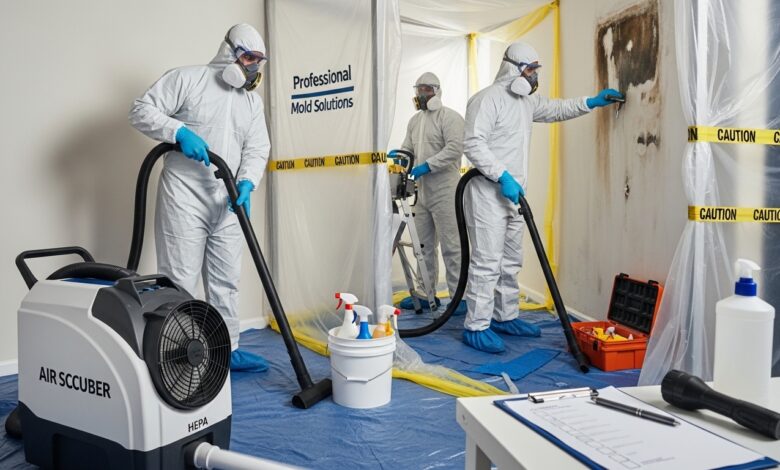
Professional mold remediation involves a systematic approach designed to eliminate mold safely and thoroughly. This process goes beyond cleaning, ensuring that contamination is addressed at every level and that conditions supporting growth are corrected.
The Importance of Proper Assessment
A thorough assessment is essential before any corrective action begins. Professionals evaluate the extent of contamination, identify moisture sources, and determine the types of materials affected. Specialized tools such as moisture meters and air sampling equipment help locate hidden mold and measure spore concentrations.
This assessment guides the development of a targeted plan that minimizes disruption while maximizing effectiveness. By understanding where mold is present and why it developed, technicians can tailor solutions that address both visible and hidden issues.
Accurate assessment also protects occupants during the process. Containment strategies prevent spores from spreading to unaffected areas, maintaining indoor air quality throughout the project.
Safe and Effective Removal Techniques
The removal phase requires careful handling of contaminated materials. Porous items that cannot be cleaned effectively are often removed and disposed of according to safety guidelines. Non-porous surfaces may be treated with specialized cleaning agents designed to eliminate mold without releasing harmful fumes.
Air filtration devices equipped with high-efficiency filters capture airborne spores during the process, reducing exposure risks. Protective equipment ensures that technicians do not carry spores to other locations, maintaining a controlled environment throughout the work.
Once removal is complete, affected areas are thoroughly dried. This step is critical, as lingering moisture can quickly lead to regrowth. Advanced drying equipment ensures that materials reach appropriate moisture levels before restoration begins.
Preventing Mold From Returning
Eliminating existing mold is only part of the solution. Preventive measures are essential to ensure long-term success. Addressing water intrusion, improving ventilation, and controlling humidity levels create an environment that discourages mold growth.
Repairs may include sealing leaks, upgrading insulation, or installing dehumidifiers in problem areas. HVAC maintenance and proper airflow management further reduce the risk of future issues. Education also plays a role, helping occupants understand how daily habits can influence indoor moisture levels.
By combining removal with prevention, professional mold remediation provides lasting protection rather than temporary relief. This comprehensive approach safeguards both health and property value.
The Role of Restoration After Mold Removal
After contaminated materials are removed, restoration work restores the affected areas to their original condition. This may involve replacing drywall, repainting surfaces, or installing new flooring. Proper restoration ensures that the building not only looks normal again but also functions safely and efficiently.
High-quality restoration materials and techniques contribute to durability and resistance against future moisture issues. When completed correctly, the space is left clean, dry, and safe for occupants to return without concern.
Restoration also offers an opportunity to make improvements. Upgrading materials or enhancing ventilation during this phase can further reduce the likelihood of recurrence, adding value and resilience to the property.
Long-Term Benefits of Professional Solutions
Choosing expert services offers advantages that extend well beyond immediate problem resolution. Professional involvement ensures compliance with safety standards, reduces health risks, and minimizes the chance of recurring issues. The peace of mind that comes from knowing a problem has been addressed correctly is invaluable.
In addition, documented professional work can be beneficial for property transactions or insurance claims. Buyers and insurers alike value evidence that mold issues were handled thoroughly and responsibly.
Over time, these benefits translate into lower maintenance costs, improved indoor air quality, and enhanced comfort for occupants. Proper care protects both tangible and intangible aspects of a property.
A Proactive Approach to Indoor Safety
Mold does not resolve itself, and ignoring early signs often leads to greater complications. Musty odors, persistent moisture, or unexplained health symptoms should never be dismissed. Prompt evaluation and action can prevent extensive damage and costly repairs.
By staying vigilant and addressing moisture issues as they arise, property owners can reduce the likelihood of mold development. When contamination does occur, relying on proven methods ensures that the issue is resolved effectively.
Ultimately, mold remediation is not just about removing visible growth. It is about restoring healthy indoor environments, protecting structural integrity, and ensuring long-term safety. Through professional assessment, careful removal, and thoughtful prevention, buildings can remain secure and comfortable spaces for years to come.