How to Identify When Your Pool Needs Immediate Repairs Before It Gets Worse

A swimming pool is more than a decorative feature in a backyard or property; it is a place for relaxation, recreation, and memorable moments with family and friends. Over time, however, even the most carefully constructed pools begin to show signs of wear. Exposure to water pressure, chemicals, weather changes, and regular use can gradually weaken materials and systems. When problems arise, timely attention becomes essential, because small defects often grow into costly structural or mechanical failures if ignored. This is where pool repair becomes an important part of long-term pool ownership, helping maintain both performance and peace of mind.
Swimming pools consist of many interconnected components, from visible surfaces like tiles and plaster to hidden systems such as plumbing lines and filtration equipment. Each element must work together seamlessly to keep the pool safe, functional, and visually appealing. Understanding common problems and the importance of professional solutions allows owners to make informed decisions that protect their investment and extend the usable life of their pool.
Understanding Why Pools Deteriorate Over Time
No pool is immune to aging. Water itself is a powerful force, exerting constant pressure against walls and floors. Changes in temperature cause materials to expand and contract, which can lead to cracks in concrete, tiles, or fiberglass surfaces. Chemical imbalances may corrode metal components, weaken sealants, and stain finishes. Even ground movement beneath the pool shell can cause structural stress that eventually becomes visible.
In addition to environmental factors, daily usage contributes to gradual deterioration. Swimmers introduce debris, body oils, sunscreen, and dirt into the water, all of which place additional strain on filtration and circulation systems. Over months and years, these stresses accumulate. Without regular inspections and maintenance, minor damage may remain hidden until it becomes severe enough to disrupt normal operation.
Common Structural Issues in Swimming Pools
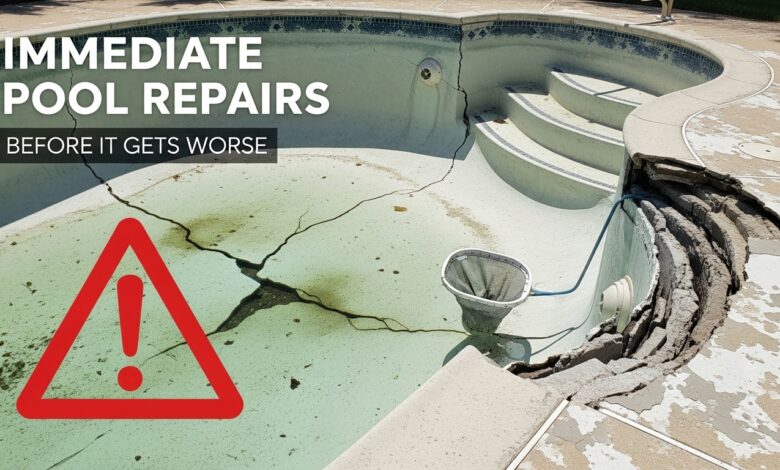
One of the most frequent problems pool owners encounter is cracking. Hairline fractures may appear on the surface, often dismissed as cosmetic. While some small cracks are harmless, others indicate deeper structural movement that needs immediate attention. Left untreated, these openings can allow water to seep into surrounding soil, potentially undermining the pool’s foundation.
Surface wear is another concern. Plaster finishes can become rough, stained, or chipped over time, making the pool uncomfortable for swimmers and less attractive overall. Tile damage, including loose or missing pieces, not only affects appearance but can also expose underlying materials to water intrusion.
In vinyl-lined pools, liners may tear, wrinkle, or fade as they age. These issues compromise the pool’s ability to retain water and can lead to leaks that are difficult to detect without professional assessment. Fiberglass pools, while durable, are not immune to blistering or surface discoloration caused by prolonged chemical exposure.
Mechanical and System-Related Problems
Beyond visible damage, many pool issues originate in mechanical systems. Pumps, filters, heaters, and plumbing lines work continuously to circulate and clean water. Over time, seals wear out, motors lose efficiency, and pipes develop leaks. A small plumbing issue can result in significant water loss and higher utility bills if not addressed promptly.
Filtration problems often manifest as cloudy or dirty water, even when chemicals are balanced correctly. This may indicate clogged filters, damaged valves, or insufficient circulation. Heating systems can also fail due to corrosion or scale buildup, reducing their ability to maintain comfortable water temperatures.
Electrical components, including lighting and control panels, require special attention. Moisture intrusion or outdated wiring can pose safety risks, making professional evaluation crucial whenever electrical concerns arise.
The Importance of Early Detection
Catching problems early is one of the most effective ways to reduce overall costs and prevent extensive damage. Regular inspections allow professionals to identify subtle warning signs, such as slight water level drops, changes in surface texture, or unusual equipment noises. Addressing these indicators early often involves less invasive and more affordable solutions.
Early intervention also minimizes downtime. A pool that requires major reconstruction may be unusable for weeks, while minor fixes can often be completed quickly. For homeowners who rely on their pool for regular enjoyment or exercise, maintaining consistent usability is a significant benefit.
Professional Expertise and Specialized Techniques
While some minor maintenance tasks can be handled by pool owners, complex issues require specialized knowledge and equipment. Professionals use advanced diagnostic tools, such as pressure testing and underwater cameras, to locate hidden leaks and structural weaknesses. These methods allow for precise solutions without unnecessary demolition.
Modern restoration techniques have evolved significantly. Materials used today are designed to be more durable and resistant to chemical and environmental stress. Skilled technicians understand how to match repair methods to the specific pool type, ensuring compatibility and long-lasting results. Choosing expert services ensures that repairs are completed safely, efficiently, and in accordance with industry standards.
How Quality Work Enhances Longevity
Investing in high-quality workmanship pays off over time. Properly executed fixes restore structural integrity, improve water efficiency, and enhance overall performance. In many cases, professional restoration can add years or even decades to a pool’s lifespan.
Quality solutions also improve aesthetics. A smooth, well-finished surface, properly aligned tiles, and efficient systems contribute to a more enjoyable swimming experience. When a pool looks and functions like new, it adds value to the property and increases owner satisfaction.
This is why many experienced owners view pool repair in miami not as an expense, but as a strategic investment in the long-term usability of their pool. Addressing issues correctly the first time reduces the likelihood of recurring problems and costly future interventions.
Safety Considerations You Should Never Ignore
Safety should always be a top priority. Structural defects can create sharp edges or uneven surfaces that pose injury risks. Faulty electrical systems increase the danger of shocks, while malfunctioning drains or circulation systems can compromise water quality.
Professional services ensure that safety standards are met and that all components function as intended. This is especially important for families with children, elderly swimmers, or individuals with health concerns. A well-maintained pool provides peace of mind, allowing everyone to enjoy the water without unnecessary risk.
Planning and Budgeting for Long-Term Care
Proactive planning makes pool ownership more manageable. Setting aside a maintenance and restoration budget helps cover routine inspections and unexpected issues without financial stress. Regular care reduces the likelihood of emergency situations, which are often more expensive to resolve.
Owners who plan ahead can also schedule work during off-peak seasons, minimizing inconvenience and potentially reducing costs. Establishing a relationship with trusted professionals ensures consistent care and reliable advice tailored to the pool’s specific design and usage patterns.
Environmental and Efficiency Benefits
Modern restoration methods often incorporate environmentally friendly practices. Improved circulation systems reduce energy consumption, while leak prevention conserves water. Updated equipment can significantly lower operational costs and reduce environmental impact.
By upgrading outdated components and addressing inefficiencies, owners contribute to sustainable resource use. These benefits extend beyond immediate savings, supporting responsible pool ownership in the long run.
Choosing the Right Professionals
Selecting experienced and reputable technicians is essential. Look for providers with proven expertise, clear communication, and a commitment to quality materials. Transparent assessments and detailed explanations help owners understand the scope of work and expected outcomes.
Reputable professionals focus on long-term solutions rather than temporary fixes. They consider the pool as a complete system, addressing underlying causes instead of just visible symptoms. This holistic approach ensures that repairs integrate seamlessly with existing structures and equipment.
The Role of Ongoing Maintenance After Restoration
After completing necessary work, ongoing care becomes the key to preserving results. Balanced water chemistry, regular cleaning, and periodic inspections help prevent new issues from developing. Simple habits, such as monitoring water levels and listening for unusual equipment sounds, can alert owners to potential concerns early.
Education also plays a role. Understanding how different systems function empowers owners to recognize changes and respond appropriately. Consistent attention keeps the pool in optimal condition and maximizes the return on restoration investments.
A Long-Term Perspective on Pool Ownership
A swimming pool is a long-term asset that requires thoughtful care. While initial construction is a significant milestone, ongoing attention determines how well the pool performs over the years. Addressing wear and tear promptly ensures that the pool remains a source of enjoyment rather than frustration.
By viewing maintenance and restoration as part of responsible ownership, pool owners can avoid major disruptions and preserve the value of their investment. When approached with the right mindset, even significant challenges can be resolved effectively.
Ultimately, pool repair in miami plays a vital role in protecting structural integrity, maintaining safety, and enhancing enjoyment. With professional expertise, early detection, and consistent care, a swimming pool can continue to provide relaxation and recreation for many years to come, standing as a durable and rewarding feature of any property.