A Comprehensive Guide to How Professional Interior Painting Transforms Living Spaces, Enhances Aesthetics, and Protects Surfaces for Long-Term Durability

Introduction to the Importance of Interior Painting
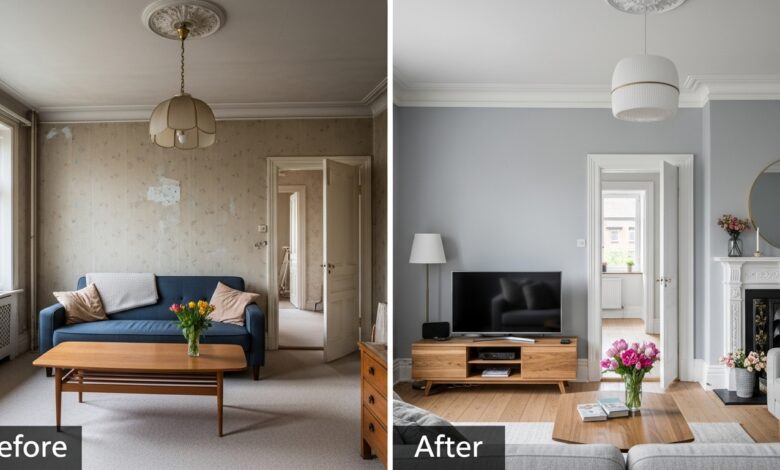
Interior painting is one of the most impactful ways to enhance the look and feel of any indoor space. While furniture, flooring, and décor play a role in shaping a room, wall and ceiling finishes set the overall tone, mood, and ambiance. Freshly painted surfaces can make a space feel modern, bright, welcoming, or sophisticated, depending on color choice, finish, and technique. Beyond aesthetics, interior painting protects walls, ceilings, and other surfaces from wear, stains, moisture, and minor damage, preserving the integrity of your interior environment for years.
Choosing professional techniques and high-quality materials ensures that painting not only enhances beauty but also contributes to long-term maintenance. Unlike temporary touch-ups or DIY efforts, professional interior painting achieves a smooth, consistent finish that complements the space while maximizing durability. This combination of form and function makes interior painting a critical investment in both appearance and property value.
The Role of Interior Painting in Aesthetic Transformation
The colors and finishes applied to interior walls have an immediate influence on perception. Light colors create a sense of openness and brightness, making rooms feel larger and more inviting. Darker shades add depth, warmth, and sophistication, while accent walls can highlight architectural features or draw attention to focal points.
Finishes such as matte, satin, eggshell, or semi-gloss each interact with light differently, influencing the overall mood. Matte finishes create a soft, subtle texture ideal for hiding imperfections, while semi-gloss reflects light and enhances a polished look. Interior painting allows homeowners and designers to carefully craft the visual impact of a room while maintaining harmony with furniture, flooring, and décor elements.
Surface Preparation: The Foundation of Quality
Successful interior painting begins long before any color is applied. Thorough preparation ensures that paint adheres evenly and lasts over time. Walls and ceilings should be cleaned to remove dust, grease, and residue. Cracks, holes, and imperfections must be repaired to create a smooth surface. Sanding and priming help seal porous surfaces and improve adhesion, ensuring that the final finish is consistent and long-lasting.
Without proper preparation, even high-quality paint can fail prematurely, leading to peeling, bubbling, or uneven coverage. Investing time and effort into preparation guarantees that interior painting results are durable, aesthetically pleasing, and resistant to daily wear and tear.
Selection of Paint Types and Finishes
Choosing the right paint is essential for balancing aesthetics and performance. Latex paints are widely used for their quick drying times, easy cleanup, and flexibility, making them suitable for most walls and ceilings. Oil-based paints offer durability and a smooth finish, particularly for trim, doors, and high-traffic areas.
Finishes range from matte, which provides a soft, velvety appearance, to gloss, which reflects light and enhances vibrancy. Selecting the right combination of paint type and finish ensures that the interior painting project meets both functional and decorative goals while minimizing maintenance requirements.
Protecting Surfaces and Enhancing Durability
Interior surfaces endure constant interaction, from children’s activities to furniture movement and general daily wear. Properly applied paint creates a protective layer that guards against scratches, stains, moisture, and fading. This preservation extends the life of walls and ceilings, reducing the need for frequent repairs or touch-ups.
Beyond protection, professional interior painting ensures that surfaces are resistant to streaking, blistering, or uneven texture. This not only improves aesthetics but also contributes to the overall longevity of the interior environment.
Psychological and Emotional Effects of Color
The colors chosen for interior painting have profound effects on mood and perception. Warm colors like reds, oranges, and yellows create energy and vibrancy, making spaces feel lively and inviting. Cooler tones like blues, greens, and grays provide calmness, relaxation, and a sense of spaciousness. Neutral shades act as a versatile backdrop, complementing décor and allowing flexibility in interior design.
By carefully selecting colors and finishes, interior painting can transform a room from ordinary to extraordinary, creating environments that align with specific functional needs, emotional goals, and design intentions.
Cost Efficiency and Long-Term Value
Investing in interior painting can be highly cost-effective compared to other major renovations. Painting offers a fresh look without the expense of replacing flooring, furniture, or structural elements. Moreover, professionally painted interiors maintain their appearance longer, reducing the need for frequent touch-ups.
A well-executed interior painting project increases property value by enhancing the overall presentation of living spaces. This is especially important for spaces that are frequently visited, used for hosting, or prepared for resale. The combination of improved aesthetics, protection, and durability ensures that interior painting delivers significant long-term benefits.
Professional Techniques and Expertise
Professional painters bring expertise that goes beyond applying color. They understand how to prepare surfaces, select the best materials, and apply paint evenly for a flawless finish. Techniques such as cutting in, rolling, and layering are executed with precision to avoid streaks, drips, or inconsistencies.
Using professional tools and methods ensures that interior painting not only looks polished but also lasts longer. This attention to detail distinguishes professional results from DIY efforts, producing a final product that is both visually appealing and durable.
Maintenance and Longevity
Maintaining painted surfaces is simple but important. Regular dusting, gentle cleaning with appropriate solutions, and avoiding abrasive scrubbing preserves the finish. Minor scratches or scuffs can be easily addressed, extending the life of the painted surfaces.
Ongoing care ensures that walls remain vibrant, ceilings stay uniform, and trim retains its crispness. This contributes to a consistently fresh and welcoming interior environment over time.
Adaptability to Changing Styles
Interior design trends and personal tastes evolve, and interior painting allows spaces to be updated without major renovations. Changing colors or finishes is far easier and more cost-effective than replacing walls, flooring, or other structural elements.
This adaptability ensures that interiors remain contemporary and aligned with evolving preferences. Interior painting provides flexibility, allowing homeowners to refresh their space periodically and maintain a modern, vibrant look.
Coordination With Furniture and Décor
Successful interior painting considers how wall colors interact with furniture, flooring, textiles, and accessories. Harmonizing tones and finishes creates a cohesive aesthetic that enhances the overall interior design. Accent walls, complementary trim, and strategically selected finishes contribute to a polished and intentional space.
Coordinated interior painting elevates a room from functional to thoughtfully designed, reinforcing both style and comfort.
Conclusion
Interior painting in Elbert County is more than a cosmetic upgrade; it is a strategic approach to enhancing aesthetics, protecting surfaces, and adding long-term value to living spaces. By emphasizing preparation, material quality, and professional techniques, interior painting transforms ordinary interiors into visually appealing and durable environments. This process improves mood, complements décor, and preserves surfaces, making it a practical and essential investment for any property. Ultimately, interior painting ensures that interiors remain attractive, functional, and well-maintained for years, providing lasting benefits for homeowners and occupants alike.