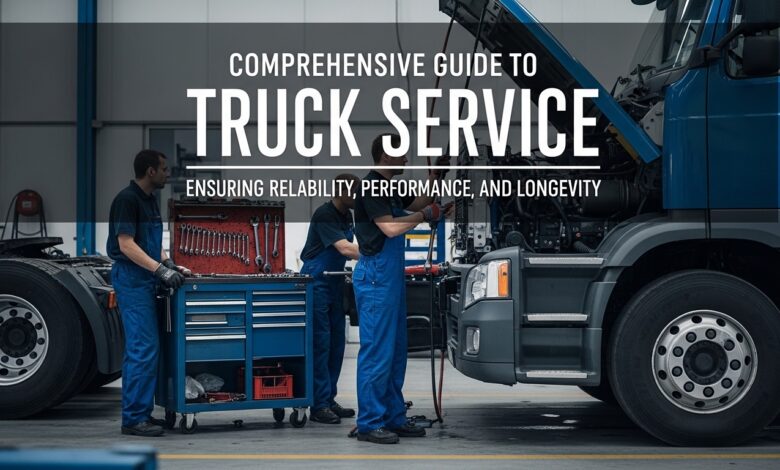
Comprehensive Guide to Truck Service: Ensuring Reliability, Performance, and Longevity

Trucks are more than vehicles; they are essential tools that drive commerce, industry, and personal mobility. Their importance is undeniable, whether they are transporting goods over long distances, supporting construction projects, or serving as utility vehicles for small businesses. Given the demanding conditions under which trucks operate including heavy loads, long hours, and exposure to varying terrains and weather proper maintenance is not a matter of convenience; it is a necessity. Regular truck service is essential for preserving performance, extending vehicle life, preventing costly repairs, and ensuring the safety of both the driver and others on the road. Neglecting even minor maintenance can lead to reduced efficiency, breakdowns, safety hazards, and significant financial setbacks, making an understanding of the comprehensive process of truck service crucial for every owner and operator.
The Importance of Regular Truck Service
Truck service encompasses far more than simple tasks such as changing oil or replacing worn tires. It is a holistic approach to vehicle care, focusing on every system and component to ensure optimal performance. Trucks, especially those used commercially, face unique challenges that differentiate them from passenger vehicles. They endure heavier loads, travel longer distances, and operate in conditions that accelerate wear and tear on engines, brakes, suspensions, and drivetrains. Even minor malfunctions in a single component, if ignored, can escalate into significant failures that compromise safety, increase operating costs, and reduce the truck’s lifespan. Regular and thorough truck service acts as a preventive measure, identifying potential issues before they become serious problems, and maintaining the vehicle in peak condition to meet operational demands reliably.
Key Components of Comprehensive Truck Service
A comprehensive truck service typically includes a wide range of inspections, replacements, and adjustments to maintain the vehicle’s efficiency and safety. Engine checks are a foundational component of this process, ensuring that oil levels are correct, filters are clean, and belts and hoses are free from wear. Oil changes, conducted according to manufacturer specifications, prevent engine damage and maintain fuel efficiency. Similarly, the brake system requires meticulous attention due to the heavy loads trucks carry. Inspecting brake pads, rotors, fluid levels, and overall system performance is essential to prevent failures that could endanger both the driver and others on the road. Tires, too, are crucial to safe operation, and regular inspections, rotations, and proper inflation not only improve handling but also reduce fuel consumption and prevent uneven wear that can shorten tire life. The transmission, drivetrain, and suspension systems must also be regularly assessed, ensuring smooth power delivery, stability under load, and proper alignment to prevent premature component wear. Electrical systems, including batteries, alternators, and lighting, are checked to guarantee reliable operation, while fluid levels, including coolant, power steering fluid, and brake fluid, are monitored to prevent mechanical failure and overheating.
Recognizing Early Signs That Truck Service is Needed
Even with regular maintenance, trucks may require immediate service when specific warning signs appear. These signs can include unusual engine noises, vibrations, decreased fuel efficiency, dashboard warning lights, overheating, or fluid leaks. While these symptoms may appear minor at first, ignoring them can result in expensive repairs and unplanned downtime, particularly for trucks in commercial operation. Prompt attention to these signs through professional truck service ensures that issues are addressed before they compromise safety or operational efficiency, protecting both the vehicle and the financial investment in it.
Advantages of Professional Truck Service
The benefits of professional truck service extend beyond simply repairing or maintaining mechanical components. Certified technicians bring specialized expertise and advanced diagnostic equipment that allow them to identify and resolve complex issues that may not be evident during casual inspection. They ensure compliance with safety regulations, which is particularly important for commercial trucks subject to strict oversight. Properly conducted maintenance also maximizes fuel efficiency, enhances vehicle lifespan, and minimizes operational interruptions caused by unexpected failures. By investing in professional truck service, owners not only safeguard the vehicle but also improve reliability, reduce long-term costs, and create peace of mind that the truck is safe and roadworthy.
Specialized and Seasonal Truck Service
Certain circumstances may necessitate specialized or seasonal truck service to address unique operating conditions. For instance, winter service may include inspections of antifreeze levels, battery health, and tire traction to ensure safe operation in icy or cold conditions. Trucks used in construction, off-road work, or heavy-duty hauling may require additional attention to suspension systems, hydraulic components, and load-bearing parts due to the increased stress of such environments. Long-haul trucks, constantly covering extensive distances, often require more frequent oil changes, brake inspections, and fluid replacements to maintain performance. Adjusting service schedules to match vehicle usage patterns and environmental conditions is critical for preventing breakdowns and maintaining consistent operational efficiency.
Preventive Maintenance Programs for Trucks
Preventive maintenance programs offer a structured and proactive approach to truck service. These programs schedule inspections, maintenance, and component replacements at predetermined intervals based on mileage or time. Benefits include reduced risk of unexpected mechanical failures, improved safety for drivers and cargo, enhanced resale value, and predictable maintenance costs for fleet operators or individual owners. Preventive maintenance shifts the focus from reactive repairs to proactive care, ensuring vehicles remain reliable and minimizing operational disruptions. This approach is particularly valuable for businesses relying on multiple trucks, where downtime directly translates into lost productivity and revenue.
Common Repairs and How They Are Handled
Even with diligent maintenance, trucks inevitably require repairs due to wear, accidents, or unforeseen damage. Common repairs often involve the braking system, engine components, transmission, suspension, electrical systems, and tires. Professional truck service ensures these repairs are performed efficiently, safely, and in compliance with industry standards. Expert technicians use specialized tools and diagnostic equipment to restore trucks to optimal condition, preventing further damage and ensuring continued reliability on the road. Timely repair not only addresses immediate mechanical concerns but also helps maintain operational schedules, particularly important for commercial truck owners.
Fuel Efficiency and Operational Savings
Truck service is closely linked to fuel efficiency and overall operational cost management. A vehicle that is properly maintained consumes less fuel, reducing the economic impact of long-distance driving. Engine tune-ups, clean filters, well-inflated tires, and properly aligned wheels all contribute to improved fuel economy. Conversely, neglected maintenance can lead to higher fuel consumption, increased emissions, and accelerated component wear, highlighting the economic as well as mechanical value of regular service. In this sense, truck service is both a technical necessity and a financial strategy for efficient vehicle operation.
Legal and Regulatory Implications of Truck Service
For commercial trucks, truck service in Golden Glades has important legal and regulatory implications. Regular inspections and maintenance are often required by law to ensure that vehicles remain safe and compliant with industry standards. Non-compliance can result in fines, liability for accidents, and operational disruptions. Ensuring proper documentation of all maintenance and repair work, as well as adherence to manufacturer and regulatory guidelines, protects truck owners from potential legal issues while confirming that their vehicles meet the highest safety standards. Compliance, combined with mechanical reliability, forms the foundation of responsible truck ownership.
Choosing the Right Truck Service Provider
Selecting a trustworthy truck service provider is essential for maximizing the benefits of maintenance and repair. Key considerations include the provider’s certifications, experience with heavy-duty vehicles, range of services offered, availability of diagnostic equipment, and reputation within the industry. Transparency regarding pricing, timelines, and procedures is also important for building trust and ensuring that vehicle owners are informed throughout the service process. A competent service provider offers not only technical expertise but also guidance on preventive measures, helping owners maintain long-term vehicle health.
Truck Longevity Through Service
Ultimately, the goal of truck service is to maximize the lifespan, reliability, and safety of the vehicle. Regular inspections, timely maintenance, and professional repairs all contribute to long-term operational success. For truck owners, this means fewer breakdowns, lower repair costs, and more predictable performance on the road. By prioritizing truck service, owners protect their investment, ensure the safety of drivers and cargo, and maintain consistent performance even under demanding conditions.
Conclusion
Trucks are indispensable in a wide variety of industries, and their reliability, safety, and performance are directly tied to the quality and frequency of truck service. Comprehensive service programs, including routine inspections, preventive maintenance, and professional repairs, ensure that trucks operate efficiently, remain compliant with legal requirements, and provide long-term value. By recognizing the importance of regular service, responding promptly to warning signs, and entrusting vehicles to qualified professionals, truck owners protect their investment, reduce operational costs, and ensure consistent performance, regardless of the demands placed on the vehicle. Truck service is not merely a maintenance task; it is an essential strategy for preserving safety, efficiency, and peace of mind in the world of transportation.